So, you are a pet lover and want to extend your family of furry and finned friends. That is indeed exciting. But, let us be honest. Introducing new pets to your home can become quite overwhelming. What if they don’t get along? What if your current pet gets jealous?
Don’t worry. Take a deep breath – Dreamy Mammals understands this, and that is why we thought of sharing a few insights into how to create a peaceful multi-pet home. Whether you’re introducing a new cat to a dog, planning some new fish tank mates, or dreaming of that perfect multi-pet household, I’ll walk you through everything you need to know to make it happen smoothly.
Why Does Pet Introduction Matter So Much?
Would you let a stranger you met at a party become your best friend right away? Well, pet introductions are the same. Your pets need time to adjust, just like we do when meeting new people.
Look at it from your pet’s perspective. Dogs are social animals that are used to living in groups. Cats, on the other hand, are highly territorial. For them, changes need to be introduced gradually. If you are an aquarist, for fish – it is all about space and water balance.
Once you learn these traits, introducing pets to one another should no longer be a problem.
Before You Begin the Journey – The Preparations
Before you begin introducing the pets to one another, a few preparatory steps are necessary.
Health first
I will term the health checkups the “introductory passports” for the pets. Get a clean bill of health from a vet. Of course, veterinary visits are never fun, but they are extremely crucial.
New pets need a quarantine period too – usually at least a week or two for dogs and cats, and two weeks or more for fish. Vets generally recommend a health check and a quarantine period to protect both new and existing pets from infectious diseases. I get it, you’re excited to have everyone meet, but this waiting period prevents disease transmission and helps stress levels settle down. Your future self (and your pets) will thank you for the patience.
Create safe places
Every pet needs its own space. It should have a place that it can retreat to when it begins to feel overwhelmed. For cats, this might mean a cozy cat tree or high perch where they can survey their kingdom. Dogs often appreciate a quiet corner with their favorite bed. Fish need plenty of hiding spots and territorial markers in their aquarium.
Always keep these escape routes ready for your pets.
Also read – 7 Common Household Items Toxic to Pets
How to Introduce a Dog to a Cat – Step by Step
That is probably the toughest task – bringing a cat into a dog household or vice versa. Just like we use social media, animals use scent to know about each other. The first week should ideally be spent letting the pets understand each other through scent. Animal behavior experts, including the ASPCA, recommend gradual, scent-based introductions to keep stress low in multi-pet households.
Week 1: Scent
Set up your cat’s “basecamp” in a separate room with everything they need – food, water, litter box, toys, and cozy hiding spots. This room becomes their temporary sanctuary.
Play the scent swap game twice daily by trading bedding and toys between your pets. Feed them on opposite sides of a closed door so they start associating each other’s smell with good things (like dinner!).
Watch for body language clues during this phase. Relaxed pets will show curiosity without stress signs like excessive panting, hiding, or loss of appetite. See also: understanding dog body language.
Week 2: Sight
Now, let the two animals say hello to each other through a gate. You can use screen doors or baby gates to let the dog and cat have eye contact. You can consider it to be the second step after the social media introduction – something quite akin to a video call!

- Stiff staring at the cat (not good)
- Raised hackles or rigid posture (time to take a break)
- Excessive drooling when food isn’t involved
- Lip licking or yawning when not tired (stress signals)
- Flattened ears and dilated pupils
- Hissing or swatting motions
- Hiding or backing away from the gate
- Over-grooming or appetite changes

When you notice these things, you need not panic or give up. Slow things down and give your new pets enough time to know each other.
Emergency Warnings: Stop introductions if you see
- Persistent aggression after 4+ weeks
- Physical injuries to any pet
- Complete appetite loss lasting 24+ hours
- Extreme hiding/withdrawal from family
- Elimination problems continuing beyond the adjustment period
Action: Seek professional help immediately if these occur.
Week 3: Supervised face-to-face
This stage involves the final introduction. Once the two pets are comfortable with eye contact, they can be taken to the next stage – a face-to-face introduction under supervision.
Have two people present – one for each pet. Keep your dog on a leash (just in case!) and let your cat roam freely with escape routes available.
Start with short 5-minute sessions and gradually increase the time. Bring treats and reward calm, friendly behavior from both sides.
Remember, some pets click immediately while others need weeks or even months to become comfortable. Every animal is different, and that’s totally normal!
Signs your pets are getting along
Good signs
- Relaxed body language and curiosity without stress signs
- Eating calmly on opposite sides of a door or gate
- Calm sniffing and brief, relaxed eye contact
- Settling down in the same room
How to Introduce a New Cat to a Resident Cat
Cats are more territorial than dogs. But don’t worry – with the right approach, even the pickiest cats can learn to coexist!
Let each cat have their own basecamp. Let the basecamp have human scent. This becomes their initial territory where they can feel secure while getting used to the house sounds and smells.

Stock this room with:
The next step is site swapping. This can be both fun and difficult. Rotate the cats to each other’s rooms. This will introduce them to each other without meeting face to face.
Daily rotations between the basecamp and main house help them get familiar with each other’s scents naturally.
Think of it as letting them read each other’s diaries before the first date!
For a real-life example, read From Hissing to Friendship: My Journey Introducing a Kitten to My Older Cat.
How to Introduce Two Dogs
Introduce dogs on neutral ground, ideally on leash and with a helper, rather than inside your home. Walk them near each other before letting them meet, keep the first meetings short, and reward calm behavior. Watch their body language for stress signs, and give each dog its own bed and food bowl to prevent conflict.
How to Add New Fish to Your Aquarium
Adding new fish to your tank is like introducing new roommates to a carefully balanced household. Get it right, and everyone lives in harmony. Rush it, and you might have underwater drama on your hands!
Understand fish compatibility
Not every species of fish is compatible with every other tank mate. Check if your fish is compatible with the existing tank mates.
Focus on the following factors –
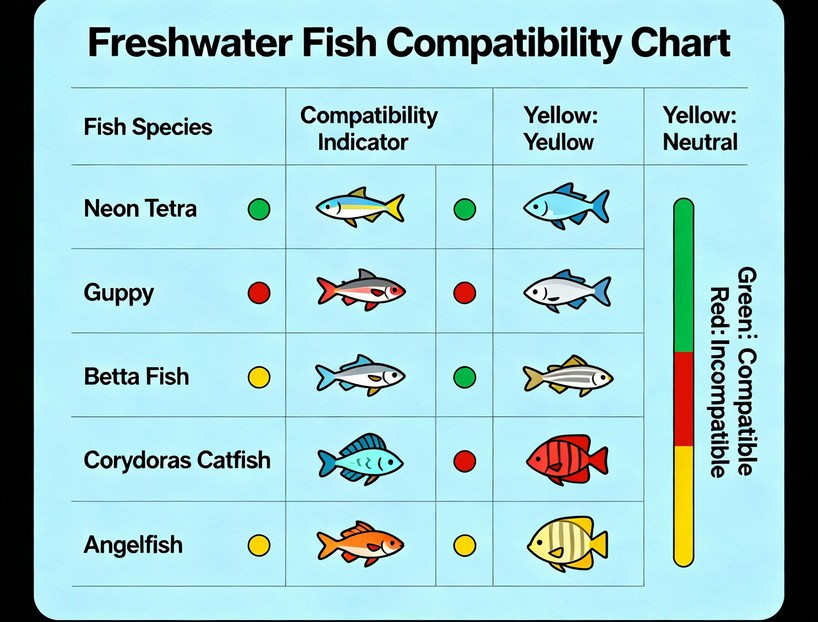
Follow the introductory steps gradually –
You may also be interested in Can Betta Fish Live With Angelfish? (Understand Their Behaviour and Best Tankmates) and our Complete Beginner’s Guide to Freshwater Aquariums.
If Your Current Pet Gets Jealous
Pets That Should Not Be Introduced
Not every pet can share space safely. Small prey animals like hamsters, rabbits, and birds can be seen as prey by cats and dogs. Keep them separate, keep cages secure and out of reach, and never leave them together unsupervised. See Is Hamster Good for Home as Pet? for more.
The Possible Timeline for Pet Introductions
Let’s be realistic about timing expectations:
| Introduction | Typical time |
|---|---|
| Dog-cat introductions | 2-8 weeks minimum (sometimes longer) |
| Cat-cat introductions | 3-12 weeks is typical |
| Fish introductions | 1-4 weeks, including quarantine |
| Complex multi-species homes | Several months possible |
The Bottom Line: Patience Pays Off
Creating a harmonious multi-pet household isn’t about luck – it’s about patience, preparation, and understanding your pets’ unique needs. Yes, it takes time and effort, but watching different species develop comfortable relationships is incredibly rewarding.
Remember, every pet is an individual with their own personality and quirks. What works perfectly for your neighbour’s pets might need tweaking for yours, and that’s completely normal!
Ready to start your pet introduction journey? Take it slow, stay positive, and remember – the best multi-pet homes are built one successful introduction at a time!
✓Get a vet check and quarantine every new pet first.
✓Give every pet its own safe space and escape routes.
✓Introduce through scent, then sight, then short supervised meetings.
✓Expect 2-8 weeks for dogs and cats, 3-12 weeks for two cats, and 1-4 weeks for fish.
✓Keep prey animals like hamsters, rabbits, and birds separate from cats and dogs.
✓Stop and call a professional if you see persistent aggression or injuries.
Frequently Asked Questions (FAQs)
How long does it take for a dog and cat to get along?
Dog-cat introductions usually take 2-8 weeks at a minimum, and sometimes longer. Some pets click immediately, while others need weeks or even months to become comfortable. Every animal is different.
How do you introduce a dog to a cat?
Keep them separate at first and set up a “basecamp” room for the cat. Swap bedding and toys twice a day and feed them on opposite sides of a closed door for the first week. In week two, let them see each other through a baby gate or screen door. In week three, hold short, supervised face-to-face meetings with two people present, the dog on a leash, and the cat free to escape.
How do you introduce a new cat to a resident cat?
Give each cat its own basecamp with scent soakers, elevated hiding spots, separate food and water stations, and interactive toys. Then try site swapping, rotating the cats between the basecamp and the main house so they get used to each other’s scents before meeting face to face. Cat-cat introductions typically take 3-12 weeks.
How do you introduce new fish to an aquarium?
Check compatibility first (water requirements, swimming territories, size, and feeding styles). Rearrange decorations, float the bag in your tank for 15-20 minutes to equalize temperature, gradually add tank water to the bag over an hour, and use a net to transfer the fish without pouring the bag water into your tank. Then monitor closely for the first 48-72 hours.
How long should I quarantine a new pet?
Get a clean bill of health from a vet first. New pets then need a separate quarantine period, usually at least a week or two for dogs and cats and two weeks or more for fish, to protect existing pets from infectious diseases and let stress levels settle.
What are the signs my pets are not getting along?
A dog may stare stiffly, show raised hackles or a rigid posture, drool excessively when food isn’t involved, or lick its lips and yawn when not tired. A cat may flatten its ears, dilate its pupils, hiss or swat, hide, over-groom, or have appetite changes.
When should I stop pet introductions and get professional help?
Stop and seek professional help if you see persistent aggression after 4+ weeks, physical injuries to any pet, complete appetite loss lasting 24+ hours, extreme hiding or withdrawal, or elimination problems continuing beyond the adjustment period. Contact a certified animal behaviorist if fear or aggression persists after 4-6 weeks.
What supplies do I need to introduce a new pet?
Baby gates or screen doors, separate food and water bowls, extra litter boxes for cats, high-value treats, a quarantine tank setup for fish, and your emergency vet’s contact information.
What if my current pet gets jealous of the new pet?
Keep your resident pet’s routine as normal as possible, give it attention and treats, feed the pets separately, and reward calm behavior around the newcomer. Give every pet its own safe place to retreat to.
Can dogs and cats live together?
Often, yes. With gradual, scent-based introductions, supervision, and escape routes for the cat, many dogs and cats learn to live together. Some pets click immediately while others need weeks or months.
How do I introduce two dogs?
Introduce them on neutral ground, ideally on leash and with a helper, and walk them near each other before letting them meet. Keep early meetings short, reward calm behavior, and watch body language for stress signs. Separate food bowls and beds help prevent conflict.
Can cats or dogs live with hamsters, rabbits, or birds?
They are prey animals for cats and dogs, so it is safest to keep them separate and never leave them together unsupervised. Keep cages secure and out of reach, and talk to your vet if you are unsure.
🐶 Was this helpful? Share it with a fellow pet parent, or tell us in the comments how your pet introductions went.
Disclaimer – The information provided in this article is for general educational purposes and does not replace professional veterinary advice. Always consult your veterinarian or a certified animal behaviorist before making decisions about your pets’ health, behavior, or introduction protocols. Individual animals may have unique needs, and professional guidance is essential for addressing specific concerns.