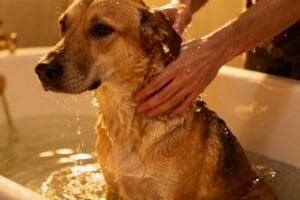
Well, keeping a pet isn’t an easy task. We at Dreamy Mammals clearly understand it. Are you looking for the best way to provide a friendly and comfortable environment for your dogs and puppies?
You have come to the right place. Right from the essential daily care to understanding what exactly goes on in your dog’s head, we will try to cover everything about the best dog care. We will help you with everything you need to know—with no vet degree needed.
The Basic Dog Care
Well, we will begin with the basic dog care. This should help you with the daily life of your dog, how to feed it and groom it for better health.

Daily life with your dog
How much exercise does your dog need every day? Ideally, as per a PDSA guide to dog exercise, most dogs need regular daily walking and play, although the exact amount varies considerably with age, breed, health and individual energy levels.
These walks and exercises aren’t just meant as a means of fun. These activities help your dogs to sharpen their mind, kill their boredom, and get rid of excess weight.
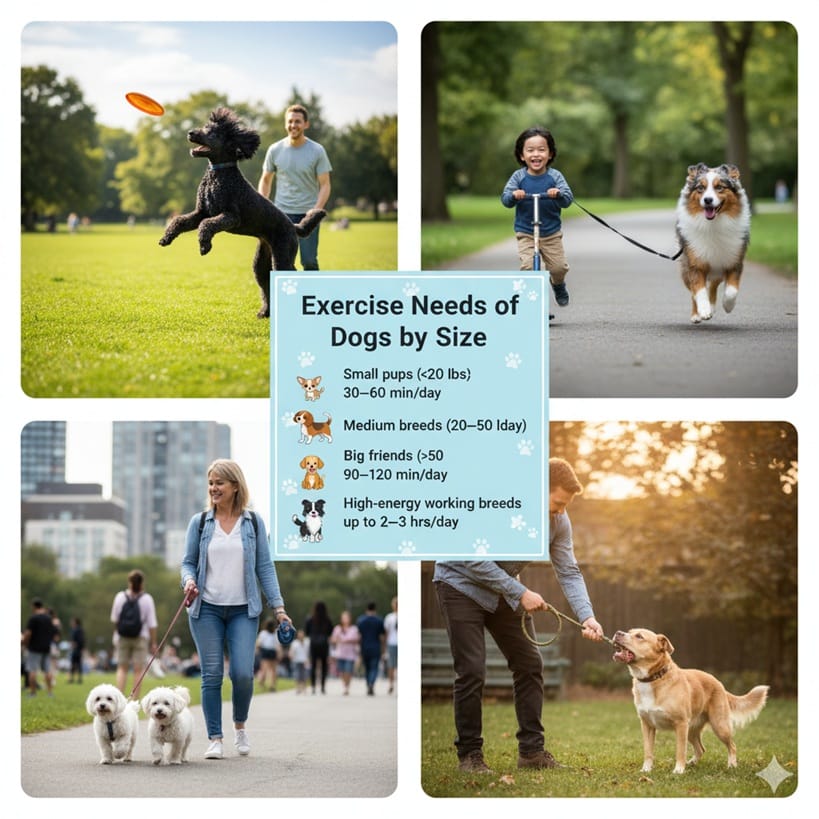
Exercise needs of dogs by size and energy level
| Dog type | Illustrative daily activity range | What to remember |
|---|---|---|
| Small pups (<20 lbs) | 30–60 min/day | Break activity into manageable sessions, especially for young puppies. |
| Medium breeds (20–50 lbs) | 60–90 min/day | Combine walks with play and mental stimulation. |
| Big friends (>50 lbs) | 90–120 min/day | Breed, age and joint health can change what is appropriate. |
| High-energy working breeds | Up to 2–3 hrs/day | They may need substantially more physical and mental work than a low-energy companion dog. |
These ranges are practical guideposts rather than rules. Your dog’s individual needs matter more than weight alone.
Feeding your dog
Feeding your pet dog can be overwhelming at times. Most of us tend to buy food from the market without giving much thought to the ingredients and nutrients. It has been observed that most of the kibble food is not suitable for your pet dog. Some experts claim that raw food is the right choice for dogs as it resembles the natural needs of your pet. However, there are a few concerns that make raw meat unsuitable for domesticated canines.
When choosing a commercial food, the goal should be a complete and balanced diet appropriate for your dog’s life stage. AAFCO explains how to read pet-food labels and identify nutritional adequacy. Puppies may need more calories and carefully balanced nutrients for growth, while adult dogs need portions that help maintain a healthy body condition and support long-term health.
Must-have nutrients for your pet dogs
- Protein: Supplies amino acids needed for muscles, tissues and normal body function.
- Essential amino acids: Dogs need specific amino acids from their diet because they cannot make all of them in sufficient amounts.
- Fatty acids: Dietary fats, including omega-3 and omega-6 fatty acids, support skin, coat and other body functions.
- Water: Fresh, clean water should always be within paw’s reach.
For label guidance, see AAFCO’s consumer guide to reading pet-food labels.
Pampering – Grooming and Dental Care
Grooming your pet dogs is not that easy and simple. It involves bathing, nail care and of course, brushing. All that should indeed make grooming a real game!
A simple dog grooming routine
- Brush: Long coats may need daily brushing; short coats often need it less frequently.
- Bath: Bathe when your dog is dirty or when your veterinarian recommends it; many dogs do not need a fixed monthly schedule.
- Trim nails: Check them regularly and trim before they become overgrown.
- Clean ears: Check ears regularly and clean only when needed and with a suitable product.
- Brush teeth: Daily brushing is ideal; brushing several times a week is still better than doing nothing.
Proper brushing should go a long way in reducing the fishy smell from your dog’s mouth.
Dog Health & Aging
Well, having gone through the regular care of your dog, you would definitely be interested in taking care of aging and proper health of your dogs and puppies.
Plan the vet visits
According to AAHA’s life-stage guidance, your pup’s healthcare routine should include regular wellness examinations, with the frequency adjusted for age, health status and individual needs. Adult dogs commonly have at least annual checkups, while senior dogs may benefit from more frequent visits. Early detection is an important part of preventive care.
When does a dog become a senior?
| Dog size | Approximate senior transition |
|---|---|
| Small breeds | About 8–11 years |
| Medium breeds | About 8–10 years |
| Large breeds | About 8–9 years |
| Giant breeds | About 6–7 years |
These are approximate ranges. Breed, genetics and individual health can shift the timeline.
Golden Years Care
As the years add up, your dog’s metabolism, joints, and eyesight might need extra support. Watch for weight swings—too heavy or too thin both spell trouble—and talk to your vet about diets tailored for aging joints and brains.
Common senior ailments in dogs
According to BluePearl’s senior dog care guidance, owners should pay attention to changes such as:
- Vision issues: cataracts, glaucoma and other eye changes.
- Arthritis: stiff joints, slower walks or reluctance to move.
- Cognitive changes: confusion, altered sleep or restlessness.
- Dental decline: bad breath, painful chewing or gum disease.
The Eye Health
Notice cloudy eyes, bumping into furniture, or hesitance on stairs? Those could be signs your dog’s vision is slipping. Diabetes in dogs can contribute to cataract formation, so keeping blood glucose under control is important for dogs with diabetes.
Vision problem clues in dogs
- Cloudiness in the eyes
- Bumping into objects
- Uneasiness on stairs
- Red or irritated eyes
If you notice a sudden change in vision, a painful or red eye, or your dog suddenly seems unable to see, contact a veterinarian promptly.
The Dog Behaviour and Emotions
Well, this is quite a complicated aspect of proper dog care. How can you understand what is going on in that small brain of your pet dog?

Believe it or not, dogs can read your face, feel your mood, and even share your stress. Research published in PNAS has explored oxytocin-related social bonding between dogs and their human companions. Your dog’s response to you is not just about words; facial expressions, tone and body language also matter.
Can dogs understand the language you speak to them? You would be happy to understand that your dog can understand many of the cues and phrases that you use. However, more than the language alone, your pet dog follows your tone and body language.
In fact, the communication between you and your dog should be bidirectional. Just the way you expect your dog to understand your language, you should equally try to understand their body language.
5 essential commands your dog can learn
- Sit
- Stay
- Come
- Leave it
- Down
Use short, consistent cues and reward the behaviour you want. Training is not only about obedience—it also gives your dog mental stimulation and helps you communicate more clearly.
Easing Anxiety & Barking Fits
Is your dog barking at shadows, redecorating your shoes, or pacing like they’ve got ants in their paws? Anxiety could be the culprit. PetMD’s guidance on dog anxiety recommends a predictable routine, environmental enrichment and professional help when necessary. In more serious cases, a veterinarian may discuss medication as part of a broader treatment plan.
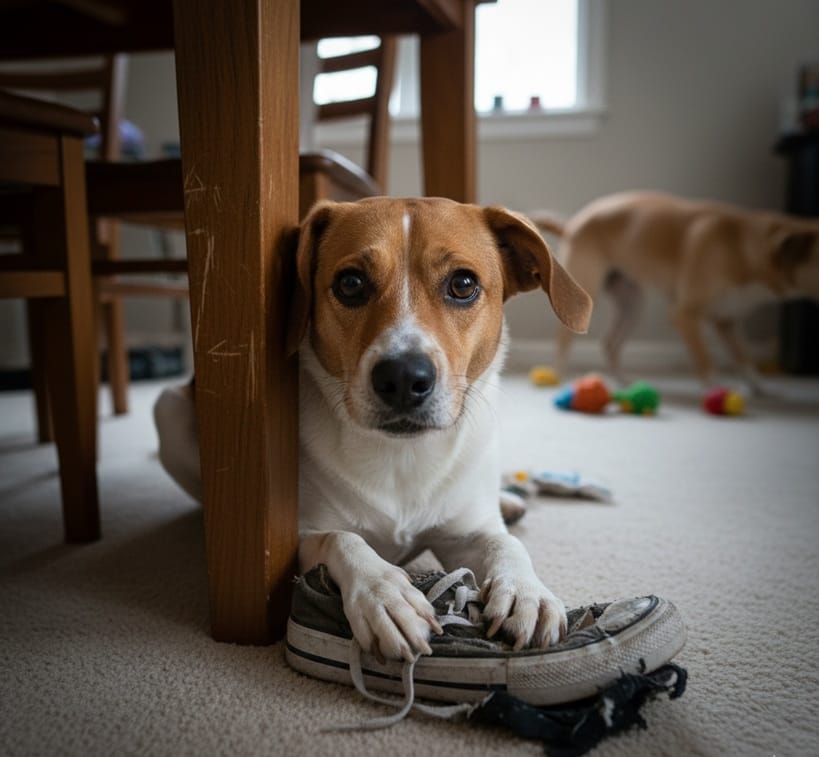
Calming strategies for caring for your dog
- Consistent daily routines
- Interactive toys and games
- Safe, cozy spaces
- Professional trainers or behaviourists when appropriate
- Veterinary guidance for severe or persistent anxiety
Before you assume it is “bad behaviour”
Look for the reason behind the behaviour. Excess barking, pacing, chewing, hiding or sudden changes can be linked to boredom, fear, anxiety, pain, illness or changes in the home. If a behaviour is sudden, severe or persistent, a veterinary check is a sensible first step.
Key Takeaways for Better Dog Care
- Exercise: Match activity to your dog’s age, breed, health and energy level.
- Food: Choose a complete and balanced diet and keep fresh water available.
- Grooming: Brush, bathe, trim nails, check ears and care for teeth regularly.
- Preventive care: Keep up with veterinary examinations and vaccinations as recommended.
- Senior care: Watch for changes in mobility, weight, vision, cognition and dental health.
- Behaviour: Learn your dog’s body language and look for the reason behind sudden changes.
Frequently Asked Questions About Dog Care
How much exercise does a dog need every day?
How often should I bathe my dog?
What should I feed my dog?
How often should a dog visit the vet?
When is a dog considered a senior?
How can I tell if my dog is anxious?
How can I understand my dog’s body language?
How often should I brush my dog’s teeth?
If it helped you understand your dog’s daily needs a little better, share it with another dog parent who might find it useful.
Your Journey to Better Dog Care Starts Now
Caring for your dog doesn’t have to feel overwhelming when you break it down into manageable pieces. Whether you’re dealing with a rambunctious puppy who needs structure, a middle-aged pup requiring consistent health monitoring, or a senior dog deserving extra comfort and care, the key is staying consistent and observant.
The most important takeaway? Building a strong relationship with your dog is about more than just meeting their basic needs—it’s about understanding their emotions, respecting their individual personality, and creating a bond built on trust and positive experiences.
For more detailed guidance on specific topics mentioned in this guide, explore our related articles on dog nutrition, grooming, senior care, anxiety, eye health, behaviour and emotional bonds with your dog.