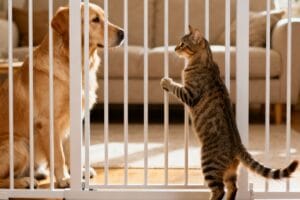
Pets have today reached a high degree of humanisation. However, despite this, there are still cases where canine anxiety is a fact. Dog anxiety is more common than many owners realise. It can be caused by separation anxiety or by sensitivity to noise.
Understanding the biological “why” behind your dog’s stress is the first step toward a harmonious home. This master guide explores the physiology of stress, the latest in predictive AI monitoring, and science-backed protocols to help your dog thrive in a high-tech world.
How to Calm an Anxious Dog: 6 Steps
Why Dogs Get Anxious?
For your dog, anxiety is not just a feeling. It is a psychological response, and it can be a sign of a fight-or-flight response. Stress hormones like cortisol spike during triggers such as loud noises, separation, or new environments.
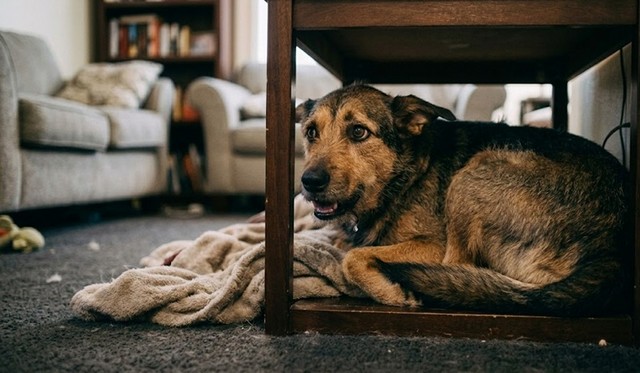
Factors such as urban living and changing environments are seen as amplifying these signs. In many cases, simple fear can transition into GAD (Generalised Anxiety Disorder). When that happens, it can persist even without any apparent triggers and affect your dog’s overall well-being.
Spotting Subtle Stress Signals
Well, there are multiple signs of stress in dogs. It is advisable to check out micro-expressions, which give you insight into the growing stress in dogs. Barking is one of the most obvious signs of anxiety in dogs, but there are several subtler signs before it that should help you take proper action.
| Signal | Biological Context | Meaning |
|---|---|---|
| Whale Eye | Eyes wide, showing white sclera. | High arousal, fear, or guarding. |
| Whisker Flaring | Whiskers move forward and tense. | Investigating air currents often precedes a reactive bark. |
| Stress Yawn | More intense and prolonged than a sleep yawn. | A displacement behavior used to self-soothe. |
| Shaking Off | Vigorously shaking as if wet. | Resetting the nervous system after a stressful event (e.g., a vet exam). |
| Lip Licking | Rapid, flicking motion of the tongue. | Sign of uncertainty, mild stress, or appeasement. |
If you have multiple pets, it is advisable to check for these signs daily.
Everyday Tech Tools for a Calm Dog
We are fortunate in 2026 to have several tech options. You can check out the best wearables, like smart collars. There are several options that can help detect stress signals well ahead of time through apps. You can further use the information gained to provide your dog with the necessary calming environment.
Here are a few great options that can be helpful in the long run –
Create Your Own Calm Kit Essentials
A calm kit’s essential items can provide effective reassurance. These would include lickable treats and low-light props. These options are extremely helpful in helping you keep your dog calm and stress-free.
What to include in your Canine Calm Box:
Natural and Nutrition Fixes for Canine Anxiety
The wellness market in 2026 is moving towards natural and nutritionally sound products. A few great options that can be helpful include natural and nutrition-based fixes.
7-Day Home Calm Protocol
So, what if you have just brought home a new dog? In such cases, you may witness a sudden spike in anxiety. We advise a 7-day protocol to help your dog lose its anxiety and be calm.
| Days | Phase | What to do |
|---|---|---|
| Day 1-2 | The Decompression | Limit foot traffic and keep lighting consistent. Use “blinders” on crates if necessary to reduce visual overstimulation. |
| Day 3-5 | The Bonding Phase | Practice the “Chin Rest” technique. Reward your dog only when they are in a naturally relaxed state, without using high-pitched “baby talk” which can overstimulate. |
| Day 6-7 | The Duration Build | Use smart feeders to reward calm behavior while you are in another room, building the “independence muscle”. |
Empowering You and Your Dog
Armed with these insights—from biology to tech and protocols—you now hold the tools to spot anxiety early, intervene effectively, and build lasting calm in your dog’s life. Start small today: observe one micro-signal, prep your calm kit, or tweak one meal, and watch your bond strengthen. Your proactive steps not only ease suffering but create a joyful, stress-free home for years to come—always partnering with your vet for tailored success.
Disclaimer: This guide shares science-backed info for education—consult your vet before new diets, supplements, or changes, especially for severe cases.
✓Dog anxiety is a stress response, often triggered by separation, loud noises, or new environments.
✓Subtle signals like whale eye, lip licking, and stress yawns appear before barking.
✓A calm kit, quiet safe space, and enrichment can help your dog settle.
✓Always ask your vet before trying CBD, new diets, or supplements.
✓See your vet if the anxiety is severe or persistent, or if you notice sudden aggression or signs of pain.
Frequently Asked Questions (FAQs)
What are the signs of anxiety in dogs?
Subtle signs include whale eye (eyes wide, showing the whites), stress yawns, lip licking, shaking off, and whisker flaring. Other common signs are pacing, panting, trembling, destructive chewing, excessive barking or howling, house soiling, hiding, and clinginess.
What causes anxiety in dogs?
Dog anxiety can be triggered by separation, loud noises like thunderstorms and fireworks, and new environments. During these triggers, stress hormones like cortisol spike. In some cases, simple fear can turn into generalized anxiety disorder (GAD), which can persist even without an obvious trigger.
What is GAD in dogs?
GAD is a persistent state of apprehension that occurs even in the absence of a specific stimulus. Unlike situational fear, such as fear of thunderstorms, it needs a holistic approach involving the environment, monitoring, and often nutritional intervention, alongside guidance from your vet.
What is a stress yawn in dogs?
A stress yawn is more intense and prolonged than a sleep yawn. It is a displacement behavior that dogs use to self-soothe.
How can I calm my anxious dog at home?
Create a calm kit with an owner-scented piece of clothing, low-light props like nightlights and soft towels, and lickable calming treats. Scatter feeding and snuffle mats give mental stimulation, and a 7-day calm protocol can help a newly adopted dog settle in.
Is CBD safe for anxious dogs?
Research on CBD for dogs is still limited, and CBD products for pets are not approved in many countries. Never give your dog CBD without your vet’s approval, and check the laws in your area first.
When should I take my anxious dog to the vet?
See your vet if the anxiety is severe or persistent, if your dog hurts itself or others, if there is sudden aggression or signs of pain like stiffness or hesitation, or if your dog stops eating.
🐕 Was this helpful? Share it with a fellow dog owner, or tell us in the comments how you calm your anxious dog.
This article is for general information only and is not a substitute for professional veterinary advice. Always consult your vet before starting new diets, supplements, or treatments for your dog.