If you are a dog owner, you may be concerned about the food you serve. One of the most popular dog foods that we feed our beloved dogs is kibble. In view of recent inputs and research, kibble has come under scrutiny. So, is kibble good for your dog? Can kibble make a dog sick? Let us try finding answers to those questions.
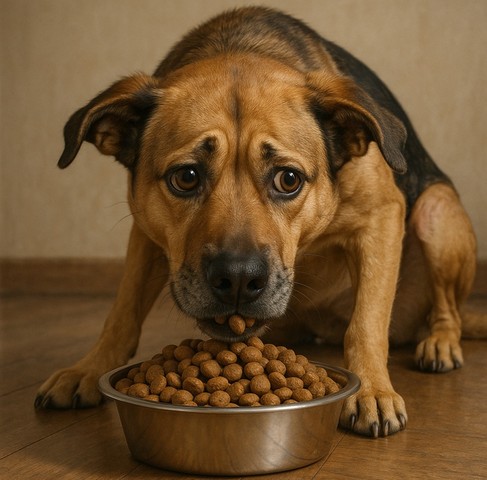
Kibble at a Glance: Pros and Cons
| Pros | Cons |
|---|---|
| Convenient, affordable, and shelf-stable | Quality varies a lot between brands |
| Easy to measure and store | Low moisture, so dogs need fresh water at all times |
| Can be “complete and balanced” for a life stage | Calorie-dense, so it is easy to overfeed |
| Many life-stage and breed-size formulas | Some contain artificial colors, flavor coatings, or a lot of starch |
What is Kibble and How is it Made?
Kibble is the dry dog food that we serve our dogs. By definition, kibble is a commercially manufactured dog food in dry form, and it is packed with the ingredients and nutrients that your dog needs.
Kibble is a commercially manufactured dry dog food produced by mixing ground meats, vegetables, grains, and added vitamins and minerals into a uniform dough that is forced through an extruder under high heat and pressure (about 120–150 °C). This gelatinizes starches, helps sterilize pathogens, and shapes the final pellets. After extrusion, kibbles are coated with fats, flavourings, and sometimes colourants to improve palatability.

5 Common Concerns About Kibble (and What You Can Do)
Kibble food comes with several issues that are worth knowing about. The good news is that most of them can be managed by choosing a good product and feeding it well.
1Ingredient quality varies
Not all kibbles are equal. Cheaper foods may use lower-quality ingredients, vague terms like “meat meal” or “animal by-products” as the main ingredient, or poorly sourced protein. The rendering process used to make meat meal is designed to remove harmful bacteria, but the quality of the starting ingredients still matters.
- Choose a food with a named protein like chicken, beef, or salmon near the top of the ingredient list
- Pick brands with strong quality control and an AAFCO “complete and balanced” statement
- Ask your vet for brands they trust
2Processing and additives
High heat during extrusion and rendering changes the food, and some compounds, like acrylamide, form when starchy foods are cooked at high temperatures. The effect of these compounds at the levels found in pet food is not well established. Some kibbles also contain artificial colors such as Red 40 and Yellow 5, which serve no nutritional purpose for dogs, and some contain preservatives like BHA and BHT.
- Look for foods without artificial colors and unnecessary additives
- Prefer natural preservatives such as vitamin E (tocopherols) or rosemary extract
- Buy from reputable brands that test their foods
3Starch content and calories
Kibble needs starch to hold its shape, and some formulas are high in carbohydrates and low in protein. Because kibble is calorie-dense, it is also easy to overfeed, which can lead to obesity and related problems like diabetes and joint issues.
- Compare the guaranteed analysis and ingredient list
- Measure portions and adjust for your dog’s activity and weight
- Ask your vet whether your dog needs a different formula
4Low moisture
Kibble contains very little moisture, usually around 10%, compared to about 75% in canned food. Healthy dogs usually compensate by drinking more water, but some dogs with urinary or kidney problems may benefit from higher-moisture food. Signs of dehydration include lethargy, panting, a dry nose, and dry gums.
- Always provide fresh, clean water
- Consider adding water or a spoonful of wet food, if your vet agrees
- Ask your vet about wet food if your dog has urinary issues
5Possible contaminants
Some tests have found heavy metals or other contaminants in certain pet foods, and food recalls do happen. Reputable companies test their products, but it is worth staying informed.
- Buy from brands with good quality control and clear sourcing
- Store food properly, and check expiry dates
- Watch for recall notices, and stop feeding a recalled product
What Should Your Dog Eat Instead of Kibble?
The right food is the one that is complete and balanced for your dog, suits your budget, and that your dog does well on. For some dogs that is a good-quality kibble. Other options include:
It’s a good idea to explore the myths about pet food before planning the right food for your dog.
Can Kibble Cause Allergies?
Dogs can have allergic reactions to food, but kibble itself is not the cause. Food allergies in dogs are usually reactions to a protein, such as chicken, beef, or dairy, that is in the food. Because chicken and beef are common ingredients in kibble, they are often identified as the allergens. If your dog is consistently scratching or suddenly itchy, it may be a sign of a food allergy.
Some of the signs of a food allergy in dogs include –
Signs of a food allergy
- Itchy skin
- Skin infection
- Ear infection
- Poor coat
- Weight loss
- Diarrhoea
Your vet can help with an elimination diet to identify the culprit.
Can Kibble Cause Gut Issues?
Some dogs do have digestive upset on certain foods. Dogs can digest starches, but some formulas, a sudden change of food, or a sensitivity to a particular ingredient can upset a dog’s stomach. If your dog has digestive problems, switch foods gradually and talk to your vet. See also why your dog may be eating grass all of a sudden.
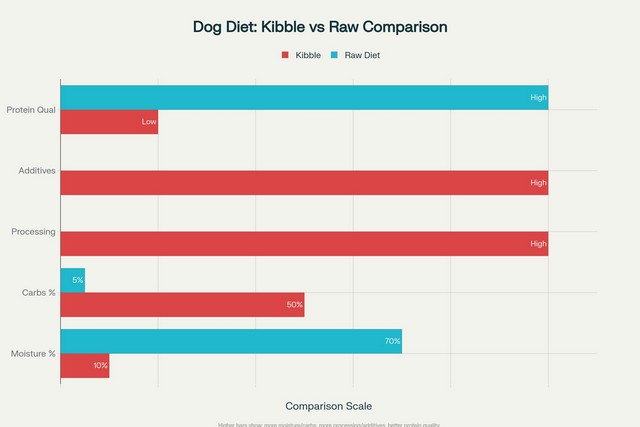
How to Choose a Good Kibble
How to Store Kibble and Switch Foods Safely
Store kibble in an airtight container away from moisture, heat, and pests, especially during humid monsoons. If you switch foods, do it gradually over about a week to avoid digestive upset.
| Days | Old food | New food |
|---|---|---|
| Days 1–2 | 75% | 25% |
| Days 3–4 | 50% | 50% |
| Days 5–6 | 25% | 75% |
| Day 7+ | 0% | 100% |
In Conclusion
Kibble is perhaps one of the most commonly used foods that dog owners rely on. It is not automatically the best or the worst food you can feed your dog. Quality varies, and a poor kibble can come with problems like low-quality ingredients, artificial additives, and too many calories. A good, complete and balanced kibble, fed in the right amounts, can keep many dogs healthy.
When in doubt, talk to your vet or a board-certified veterinary nutritionist about the best diet for your dog.
✓Kibble does not kill dogs. A complete and balanced kibble can be a good diet.
✓Quality varies, so choose a food with an AAFCO statement and a named protein.
✓Avoid artificial colors, and measure portions to prevent obesity.
✓Always provide fresh water, since kibble has low moisture.
✓Raw and homemade diets carry risks, so consult your vet or a veterinary nutritionist.
✓Switch foods gradually, and store kibble in an airtight container.
FAQs
Is kibble bad for dogs?
No. A kibble that is “complete and balanced” according to an AAFCO statement can be a perfectly acceptable diet for most dogs. Quality varies a lot between brands, so choose carefully and talk to your vet.
Can kibble kill a dog?
A complete and balanced kibble from a reputable brand does not kill dogs. Problems can come from poor-quality or contaminated food, an unsuitable formula for your dog’s health condition, or overfeeding. If your dog gets sick after eating any food, contact your vet.
Can a dog survive on kibble?
Yes. Many dogs live long, healthy lives on a good-quality, complete and balanced kibble. Always provide fresh water, measure portions, and adjust the food for your dog’s age, size, and health.
What is dog kibble made of?
Kibble is generally made from meat or meat meal, grains or other starches, legumes, vegetables, fruits, fats, and added vitamins and minerals. The ingredients are mixed, ground, cooked under heat and pressure in a process called extrusion, shaped into pellets, and then coated with fats and flavorings.
Is kibble hard to digest?
Not for most dogs. Well-formulated kibble is generally digestible, although digestibility differs between brands. If your dog has loose stools, itching, or vomiting, talk to your vet, since it may have a sensitivity to a particular ingredient such as a protein.
Does kibble cause cancer or liver disease in dogs?
There is no good evidence that a complete and balanced kibble causes cancer or liver disease. Some compounds, like acrylamide, form when starchy foods are cooked at high temperatures, but their effect at the levels found in pet food is not well established. Choose reputable brands and talk to your vet about any concerns.
Is raw food better than kibble?
Not necessarily. Raw feeding can pose risks to both pets and people, and many raw diets are not nutritionally complete. Veterinary organizations have expressed concern about raw diets. If you are considering alternatives, talk to your vet or a board-certified veterinary nutritionist.
Does kibble clean a dog’s teeth?
Ordinary kibble is not a reliable way to clean teeth. Some dental diets and chews are designed to help, but they do not replace brushing and regular dental check-ups.
How do I choose a good kibble?
Look for an AAFCO “complete and balanced” statement for your dog’s life stage, a named protein (like chicken, beef, or salmon) near the top of the ingredient list, no artificial colors, and a brand with strong quality control. Brands that employ qualified veterinary nutritionists are a good sign.
How do I switch my dog’s kibble safely?
Switch gradually over about a week: days 1-2 with 75% old food and 25% new, days 3-4 with 50% each, days 5-6 with 25% old and 75% new, then 100% new food from day 7. See your vet if problems persist.
How should I store kibble?
Store kibble in an airtight container, away from moisture, heat, and pests. This is especially important during humid monsoons.
🐕 Was this helpful? Share it with a fellow dog owner, or tell us in the comments what you feed your dog.
This article is for general information only and is not a substitute for professional veterinary advice. Always talk to your vet or a board-certified veterinary nutritionist before changing your dog’s diet.