
Life in a compact apartment in cities like Mumbai, Pune, Bengaluru, or New York comes with its own charm. But in addition, it also has its own difficulties. In fact, if you have pets at home, these risks may further complicate. We do not think of pet safety in apartments until something really goes wrong.
Imagine a few hazards that may arise without warning. A cat slips off a balcony grill, a dog chews an electrical wire, a fish tank overheats near a window, or a small pet finds its way into a cleaning cupboard. A small apartment is where everything is quite close enough, and a slight oversight can result in an emergency.
In this guide, we will look at the most common apartment hazards, how they affect different pets, and simple fixes that work even in small homes.
Why Pet Safety Is Different in Apartments?
Apartments have people, pets, furniture, and everything else in a very small footprint.
This can have the following problems –
- Windows and balconies are the only means of getting fresh air. But they can be the biggest hazard for cats and dogs, more so in high-rise buildings.
- Power cables, wires, and other small objects may be found practically anywhere. They can cause a temptation for puppies and kittens to chew on.
- Shared walls and other societal rules can lead to complaints if your pets bark or meow excessively.
Apart from that, you may also come across a few other issues, such as humidity in the summer and moisture during the monsoons. Loud crackers and loudspeakers during festivals and special events can further create a big issue.
Common Apartment Hazards (and Which Pets They Affect Most)
You may have several issues that can affect the pet’s safety in apartments. Think of falls and escapes, toxic or dangerous substances, and everyday home items that become risky.
Let us explore a few of them so you can take corrective action before an emergency strikes.
Open Windows, Balconies, and Grills
Risky for – Cats, small dogs, birds, ferrets, hamsters in playtime
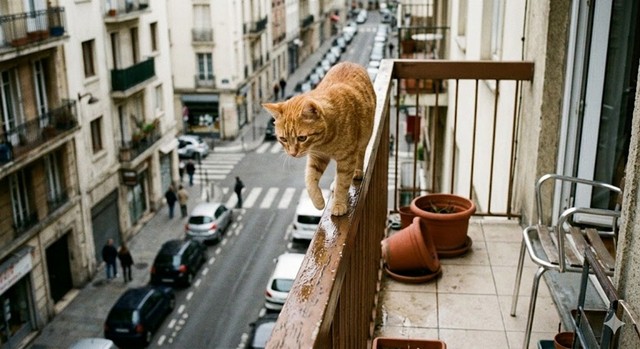
The actual problem lies in the cats’ high-rise syndrome. They tend to jump after birds and lose their balance. My cat once had a fall while chasing a pigeon. Thankfully, we used to live on the first floor, and the ground below was covered in vegetation.
Unsecured Doors and Corridors
Risk for – Dogs and cats darting out when doors open.
The behaviour can result in complaints from the fellow members of the society. Your pets may move into their apartments and create havoc.
How to fix it
- Use safety gates inside the flat
- Train a “wait” cue for dogs
- Use a microchip/ID tag for both dogs and cats.
Electrical cords and chargers
Risk for – Puppies, kittens, rabbits, hamsters.
Chewing the cords and other items can cause severe health issues. They also pose choki g hazards to your pets.
How to fix it
- Use cable covers and place them at designated places
- Make use of cable management boxes
- Use bitter anti-chew solutions wherever possible
Toxic Houseplants
Risk for – Cats and dogs that chew leaves.
Chewing on things is so etching cats love the most. You might as well have seen your cat chewing and staying on your blankets. Pls ts like Peace Lily can cause kidney ailments in cats.
How to fix it
- Avoid plants like lilies, dieffenbachia, and philodendrons
- Choose pet-safe plants and keep anything suspect out of reach
Cleaning Chemicals and Phenyl
Risk for – All pets walking or licking surfaces
Cleaning chemicals can cause severe health hazards. In fact, some chemicals can even be quite fatal.
How to fix it
- Store in locked cabinets
- Never use strong phenyl where pets walk
- Rinse floors thoroughly after mopping
Human Medicines and Toiletries
Risk for – Dogs and cats that have the habit of surfing counters
Human medications are never suitable for animal anatomy. It is advisable to consult your vet immediately if your pet consumes human medication.
How to fix it
- Treat medicine like poison—high shelves or closed cupboards only.
Open Dustbins
Risk for – Dogs, cats, and rodents
Many cats and dogs have the habit of foraging in dustbins. Stinky materials and other hazardous waste from the bins can result in severe health issues.
How to fix it
- Use lidded bins
- Keep kitchen bins behind cabinet doors where possible
Loose Threads, Cords and Plastic Bags
Risk for – Cats, kittens, and small pets.
How to fix it
- Avoid leaving plastic bags, hair ties, rubber bands, gift ribbons, and curtain cords within reach. These can cause life-threatening blockages or strangulation.
Cat Safety in Apartments: High Places, Boxes and Paws
Cats tend to be inquisitive and too curious. In fact, they are too confident, which can actually harm them. Apartment living gives them vertical spaces like window sills, lofts, and balcony railings. But, this very freedom also exposes them to falls, burns and getting trapped.
Hazards for Indoor Cats
-
High ledges and railings: Cats may misjudge distances, especially when startled by loud noises or crackers. Use balcony netting and restrict access to very narrow ledges. This will help avoid the nasty falls.
-
Cardboard boxes and plastic bags: Boxes are great enrichment. But plastic bags can result in suffocation hazards. You can use cardboard boxes as a safe alternative to plastic bags. For more information on how you can use cardboard boxes, refer to this article on Dreamy Mammals.
-
Dry, cracked paw pads on hot tiles: The tiles and balconies can get very hot. That can lead to cracked paws and discomfort. If your cat has any such issues, you can consider options to help moisturise the paws of your cat.
Safe Comforts: Blankets and Cozy Spots
Many apartment cats burrow into blankets or under duvets. As we have pointed out in our article on why cats like blankets, this can be comforting if managed well.
Make sure to choose breathable fabrics for blankets. Do not use weighted blankets as they can suffocate them. If you have electric blankets, turn them off when you are not at home.
Dog Safety in Apartments: Noise, Food and Body Language
Dogs in apartments face a different set of risks. They have to spend long hours alone. Add to it the issues like slippery floors, unhealthy processed foods, and misunderstandings with neighbors or visitors.
These elements can cause stress and anxiety in your pet dogs.
Food and Kibble Concerns
Many urban apartment dogs live primarily on packaged kibble. Kibble may not always be a good alternative to safe, nutritious food. Our article on kibble safety raises crucial health concerns and explains the care you need to take when feeding kibble to your dogs.
Take care of a few of the following safety factors –
-
Store kibble away from moisture and pests.
-
Gradually transition foods to avoid digestive upsets.
-
Read labels for additives and potential carcinogens
Also read – Myths About Pet Food: What’s Actually Healthy?
Slippery Floors, Stairs and Windows
-
Slippery tiles – They can lead to joint injuries, especially in older dogs or larger breeds. You can place rugs or runners in high-traffic zones.
-
Open windows – These windows in stairwells or low balcony walls pose fall risks for small breeds that squeeze through bars.
Understanding Dog Body Language for Safety
Misunderstood signals can lead to bites, especially around children, guests, or building staff. That is why you need to have a proper understanding of their body language. In fact, body language can give you clear insights into your dog’s thought process, so you can avoid any safety concerns.
Recognizing stress signals (yawning, lip-licking, whale-eye) helps owners intervene before a bite, which is a major safety issue in tight apartment corridors and lifts. You can read our article on understanding dog body language
Aquarium and Fish Safety: Water, Power and Curious Pets
Fish may seem “low risk,” However, in apartments, the aquarium becomes a fragile glass box full of electricity and water. They can both be dangerous when mismanaged.
Water Quality and Tap Water Safety
Water is an essential part of the aquarium ecosystem, and any issues with water quality can pose serious safety concerns. Frequent and regualr water changes are extremely essential for the well-being of your pet fish.
If you are using tap water, it is advisable to check its quality. In cases of known quality issues with the tap water, you can even installa water conditioner. Some other options include adding vitamin C, boiling the water before adding it to the aquarium, and using reverse osmosis technology.
To know more about how to make your tap water safer for the fish, you can read this article on the ways to make water quality better for your fish.
Expert aquarists also recommend managing the pH level of the water to provide better living conditions for your fish. You can refer to our article on how to lower the pH of water in aqaurium. Remember that chlorine, chloramine, and heavy metals in tap water can burn gills or kill fish if added directly.
Location and Equipment Hazards
-
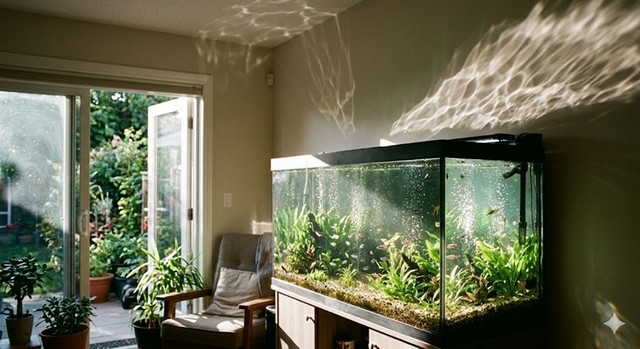
Direct sunlight from balcony doors- It can overheat tanks and trigger algae blooms. Place aquariums away from windows or use curtains during peak hours
-
Loose wires, heaters, filters – These are installed in small spaces and can be knocked over by dogs or cats. Secure power strips higher up and use drip loops.
-
Unstable stands – If your aquarium stands on uneven flooring, it can topple in earthquakes or if children hang on it. Choose sturdy, level stands only.
One of the best options to keep your aquarium cleaner is to use a self-maintenance mode. What we mean by that is to keep the fish that help clean the tank. Read more about the best fish that help you clean the tank and opt for a long term safety of your tank.
Birds and Other Pets: Cages, Fumes and Long Commitments
Apartment birds and small pets may be caged, but they still face unique threats from cramped spaces, kitchen fumes, and unrealistic expectations.Birds do make great pets, but you need to take a few courses of action to improve their safety.
Cage Placement and Air Quality
-
Keep cages away from kitchens, incense, mosquito coils, and non-stick cookware fumes. These can be toxic to birds and small mammals.
-
Avoid placing cages directly on balconies where wind, rain and crows can stress or injure pets.
An interesting factor that you may need to notice here – many parrots outlive their owners, so sudden rehoming due to apartment moves or landlord pressure is a welfare issue, not just a lifestyle one. A compassionate rehabilitation should mean a lot here.
Quick Reference Table: Apartment Hazards and Fixes
The following table should give you a clear idea of what to expect in ensuring a better safety for your pets –
| Hazard | Pets Most at Risk | Simple Safety Fix |
|---|---|---|
| Open balconies/windows | Cats, small dogs, birds | Install safety netting, keep furniture away from railings |
| Electrical cords | Puppies, kittens, rodents | Use cord covers and cable boxes, unplug when not in use |
| Toxic cleaners/phenyl | All floor-walking pets | Switch to pet-safe cleaners, rinse floors thoroughly |
| Tap water in fish tanks | Aquarium fish | Always treat tap water |
| Slippery tiles | Dogs, older cats | Add rugs, anti-slip mats in corridors and near beds |
| Plastic bags/strings | Cats, small pets | Store bags, ribbons, hair ties in closed drawers |
| Overheating tanks/rooms | Fish, brachycephalic dogs | Keep tanks out of direct sun, provide fans/AC and shade |
| Human meds | Dogs, cats | Lock medicines and supplements in cupboards |
| Noise and fireworks | Dogs, cats, birds | Create safe rooms, use white noise, close windows during festivals brigadegroup+1 |
Conclusion: A Safer Home for Every Species
You do not need a huge house or expensive gadgets to make your apartment genuinely pet-safe. A few simple changes—netting balconies, securing cables, treating tap water for fish, placing cages away from fumes, and choosing safe, cozy spots and foods—go a long way in protecting cats, dogs, fish, birds, and small pets in Indian homes.
Check out the regular updates and articles that we keep sharing here on Dreamy Mammals and make sure that you can provide a great quality of life and safety for your pets.
We give readers not just information, but a practical roadmap to create a safe, happy apartment for every species they share life with.
FAQs
How can I quickly pet-proof a rented apartment without making major changes?
Use quick fixes like safety netting that can be removed, baby gates, non-slip rugs, lidded dustbins, and cord covers.
Are balconies too dangerous for indoor cats and small dogs?
Balconies can be safe if they are fully netted or grilled, and if pets are supervised. If netting is not allowed by your society, it is safer to keep pets off the balcony entirely.
Which common household items are most toxic to pets in Indian homes?
Strong floor cleaners and phenyl, certain houseplants, human painkillers, chocolate, xylitol in sweets, and unsecured rodent poison are among the most dangerous.


Add Comment