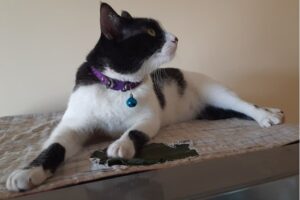
Living in a small apartment with a cat can be a bit inconvenient. It comes with several challenges. Some of these issues include limited square footage, prying neighbors’ eyes through thin walls, and that unmistakable litter box odor threatening your fresh monsoon breezes. How would you address the odor and make things more comfortable for the cat as well?
What if you could vanish the litter box entirely—stylishly blending it into your decor while banishing smells for good? This ultimate guide delivers battle-tested strategies tailored for small Indian apartments.
How to Hide a Litter Box and Control Odor: 6 Steps
Why Hide Your Litter Box?
It is quite obvious. A cat litter box can affect the aesthetics of your apartment. A visible litter box disrupts your carefully curated decor, clashes with minimalist vibes, and draws unwanted attention from guests or nosy landlords during inspections.
Moreover, a litter box in a compact space can trap odor inside. Smart ventilation can help you address this issue to some extent. Without proper ventilation and regular scooping, urine ammonia builds up rapidly, spreading to fabrics and air conditioners.
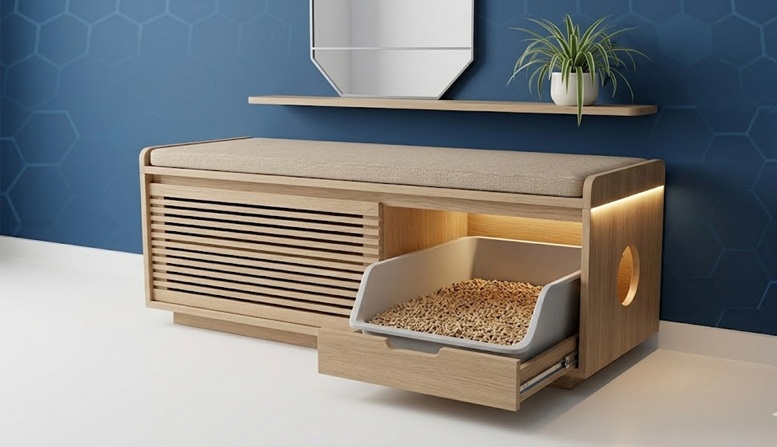
Health and Behavior Benefits
Hiding the litter box can have several benefits –
Check the following issues, and how hiding the litter box helps solve them.
| Issue | Impact | Solution via Hiding |
|---|---|---|
| Visual clutter | Lowers perceived space value | Furniture integration |
| Odor diffusion | Affects sleep/appetite | Ventilation + filters |
| Tracking mess | Extra weekly cleaning | Enclosed mats |
| Cat anxiety | More spraying/marking | Private access points |
Best Places to Hide Your Litter Box
Well, an apartment definitely has several places to hide your litter box.
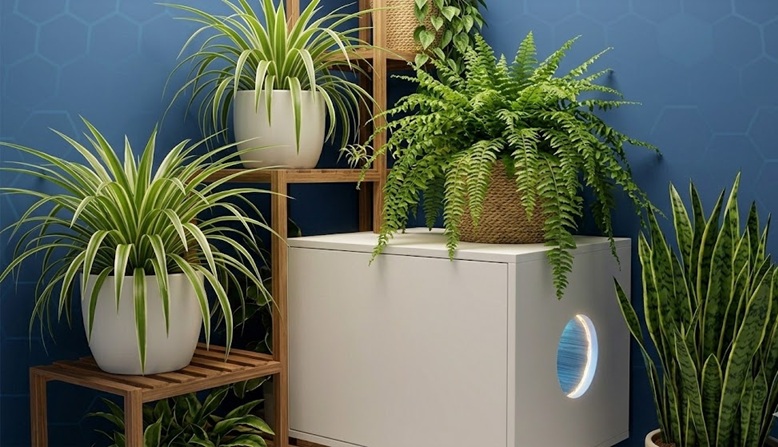
Must-Have Options for an Odor-Free Apartment
The best option to fight cat litter odor is to tackle the smell at the source. It is good practice to scoop up the litter daily. This will help halt the buildup of ammonia.
Refresh the litter weekly. You can also consider using enzyme-based cleaners to make the odor less noticeable.
Here are a few methods that can be helpful in fighting cat litter odor efficiently –
| Technique | Effectiveness | Application |
|---|---|---|
| Daily scooping | Prevents most smells | 1-2x daily |
| Baking soda layer | Absorbs moisture | Bottom of the box |
| HEPA air purifier | Captures particles | Near enclosure |
| Activated charcoal | Neutralizes gases | In filters/litter |
Cabinet hides are a good option. You can also cleverly hide the box by blending it into your decor.
Layered strategies
Using multiple options to control cat litter odor can prove to be very handy. You can use baking soda at the bottom of the box for moisture absorption. Add activated charcoal filters in enclosures, and run true HEPA purifiers nearby to capture at least 99.97% of particles as small as 0.3 microns.
Here are a few excellent options that you can use as part of the layering technique –
| Layer | Science Behind It | Pro Tip |
|---|---|---|
| Enzymes | Dissolves organic matter | Spray weekly on surfaces |
| Charcoal filters | Adsorbs gas molecules | Replace monthly |
| Clumping litter | Locks waste away | 2-3 inch depth minimum |
| Ventilation fans | Circulates stale air | Low-noise, timer models |
Avoid These Mistakes
- Overfilling litter – The spills amplify the smell.
- Skipping gloves: Bacteria can transfer to your skin, which is unsafe. If you are pregnant or have a weak immune system, ask someone else to scoop, or wear gloves and wash your hands.
- Scented products – They can irritate cat noses and cause accidents.
- Changing litter suddenly – Switch brands gradually so your cat keeps using the box.
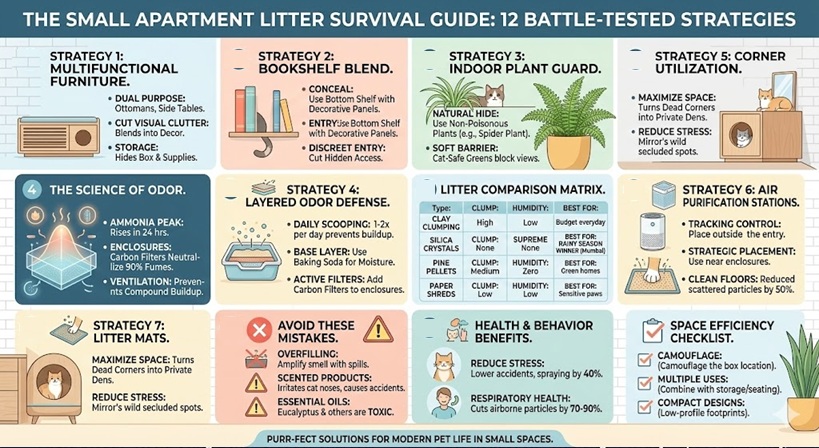
Litter Comparison for Odor Control
The litter you choose can also affect how you control the smell. In fact, a large part of your odor control comes from choosing the right litter.
Here is a quick comparison of the different types of litter –
| Variety | Clump Power | Humidity Hero? | Track/Dust | Mumbai Winner |
|---|---|---|---|---|
| Clay Clumping | Very fast | Good | Medium | Everyday budget |
| Silica Crystals | Instant dry | Supreme | Minimal | Rainy season |
| Pine Pellets | Crumbles naturally | Solid | Very low | Green homes |
| Paper | None | Weak | None | Kittens |
Conclusion
Your small apartment can be a purr-fect home for your cat and its litter box. Pick a good strategy to keep the litter box in good condition, and you will definitely avoid the smell that keeps you annoyed all day.
Your guests will leave wondering how you keep it all so fresh, while your feline friend enjoys the private den she deserves. Start hiding, start thriving—your dream urban pet life awaits right now!
✓Hide the box with dual-purpose furniture, a cat-safe plant, or a bookshelf, and keep it easy for your cat to reach.
✓Scoop daily and refresh the litter weekly to stop ammonia buildup.
✓Layer odor control: charcoal filters, enzyme cleaner, and a true HEPA purifier nearby.
✓Silica crystals work well in humid, monsoon climates.
✓Avoid scented products and essential oils around cats.
✓Pregnant or immunocompromised? Have someone else scoop, or wear gloves.
FAQs
Will my cat actually use an enclosed litter box?
Yes, most cats can transition from an open litter box to an enclosed one, usually within 1 to 2 weeks. If you have a timid cat, an enclosed box can be a good option. Some cats dislike enclosed boxes, so if yours avoids it, try removing the door or lid.
What litter is the best for humid climates?
Silica crystals are a great choice for humid climates. They absorb moisture very well and keep odor in check even in high humidity.
Can I use essential oils to hide odor?
Essential oils are a big no for cat litter. Oils like eucalyptus oil can cause poisoning through skin contact and inhalation. Use litter with enzymes or zeolite instead, and make sure the litter you choose is approved by your vet.
How do I hide a litter box in a small apartment?
Use furniture with an entry and exit hole (like a bench, closet, or end table), tuck the box behind a cat-safe plant, or hide it behind a bookshelf. Make sure your cat can reach it easily and that there is enough airflow.
How often should I scoop the litter box?
Scoop the litter daily, and once or twice a day if you can. Regular scooping stops ammonia from building up. Refresh the litter weekly.
Do enclosed litter boxes smell more?
They can trap odor inside if they are not cleaned. Choose an enclosure with ventilation or a carbon filter, scoop daily, and keep the litter at least 2-3 inches deep.
Is baking soda safe in a litter box?
A thin layer of plain, unscented baking soda at the bottom of the box is commonly used to absorb moisture. Avoid scented products, which can irritate a cat’s nose. If you are unsure, ask your vet.
🐱 Was this helpful? Share it with a fellow cat parent, or tell us in the comments how you hide your cat’s litter box.
This article is for general information only and is not a substitute for professional veterinary advice. If you are worried about your cat’s health or litter box habits, please consult your vet.