Ever looked at a cat and thought, “Why is that feline dressed like they’re headed to an award show?”
Yes, a Tuxedo cat exactly gives you that impression. And believe me – being the “hooman” of a beautiful Tuxedo cat, I must agree that the Tuxedo cats are one of the most well-dressed and sophisticated looking cat ever!
Welcome to the world of Tuxedo Cats—the sharply dressed, black-and-white icons of the pet world. Whether they’re rocking a sleek white bib, pristine little “spats” on their paws, or an adorable white mustache, these kitties know how to make an entrance.
What Makes a Cat a “Tuxedo”?
A Tuxedo Cat is basically a cat with a combination of black and white coats. But wait – not every black and white cat deserves to be in the elite club of tuxedos.
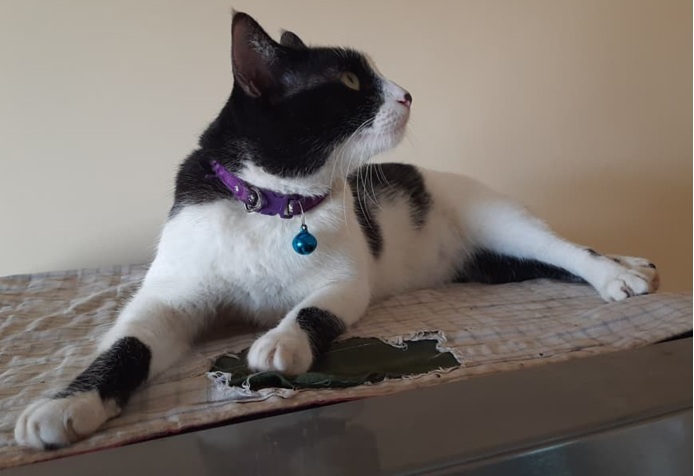
Feline geneticists rate white fur on a 1 to 10 scale. Rating 1 is completely black and rating 10 is completely white. Other cats come with different percentage of coat combinations.
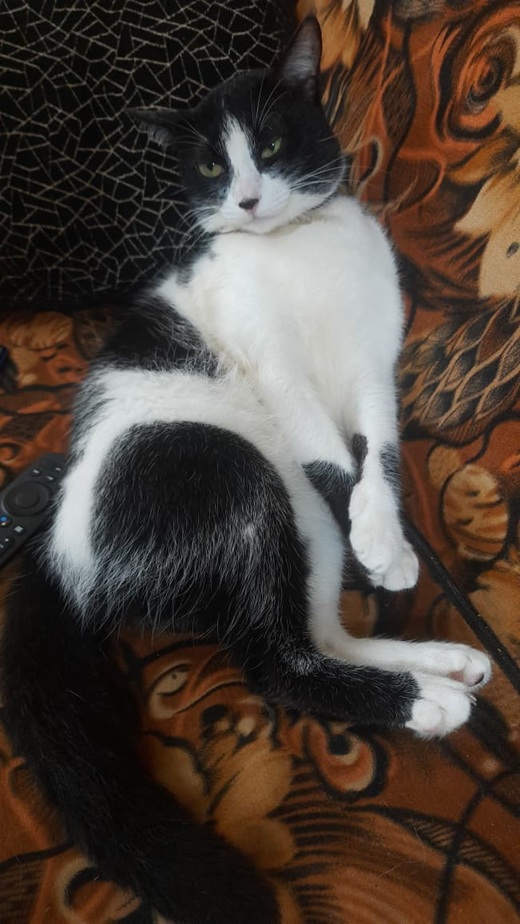
Here is the breakdown for the grading –
- Grade 1: Solid black (zero white).
- Grade 2–4 (The Sweet Spot!): Classic Tuxedo. Black body, white chest/bib, white paws, and maybe a little white on the belly and face.
- Grade 5–8: Bicolor, Harlequin, or “Mask & Mantle” (more white than black).
- Grade 9–10: Van pattern or solid white.
How Do Tuxedo Cats Get that Coat?
Did the pigments just vanish when the kitten was growing in the womb? Well, nothing like that. The research from the University of Bath revealed the real genetic magic:
- Cell Race: Pigment cells start at the spine during embryonic development and spread downward toward the belly.
- The Sluggish Gene: Tuxedo cats have a mutation in the KIT gene (the white spotting gene).
- The Result: The pigment cells move fast, but they don’t multiply fast enough! They cover the back and head, but run out of time before reaching the chest, paws, and belly—leaving those areas pure white.
Busting the Myths – A few Myths about the Tuxedo Cats
There’s a lot of internet noise about tuxedo cats. Let’s bust the biggest myths!
| Myth | The Reality | The Real Story |
|---|---|---|
| “Ancient Egyptians worshipped tuxedos!” | ❌ False | Ancient Egyptian art mostly depicted tabby coats. Dark bronze statues just made people think they were black! (Source: Nature Ecology & Evolution) |
| “Tuxedos have a sassy ‘Tuxitude’ personality.” | ❌ False | Studies from UC Davis Vet Med show human bias shapes how we view coat colors! A cat’s personality comes from genetics and socialization—not coat color. |
| “They are smarter than other cats.” | ❌ False | Every cat is an individual! Brains depend on play, environment, and individual personality, not their fancy outfit. |
Which Breeds Show Tuxedo Coats?
As we already stated, tuxedo is just a coat pattern and has nothing to do with the breed.
| Breed | Coat Type | Distinct Tuxedo Features |
|---|---|---|
| Domestic Shorthair / Longhair | Short to Long | Most common tuxedos; wide variety of markings. |
| Maine Coon | Long & Fluffy | Giant, tufted tuxedos with massive white “ruffs.” |
| British Shorthair | Dense & Plush | Teddy-bear build with sharp black-and-white contrast. |
| Scottish Fold | Short / Medium | Folded ears paired with a white bib and paws. |
| Norwegian Forest Cat | Heavy Double Coat | Water-resistant coat with a dramatic white throat display. |
| Cornish / Devon Rex | Short & Wavy | Soft, curly fur exhibiting crisp piebald patterns. |
Care & Health Tips for Tuxedo Parents
There is no proof of breed-specific or coat-specific genetic diseases. However, you can plan a care schedule specifically designed for the tuxedo cats.
- ⚠️ Sun Protection & Skin Cancer Risk: The pink skin underneath white fur (especially on the ears, nose, and eyelids) lacks protective melanin. Prolonged sunbathing in windows can cause solar dermatitis or squamous cell carcinoma (SCC). Use pet-safe sunblock or window UV filters if your tuxie loves sunbeams!
- 🧼 Grooming White Fur: White patches show dirt and tear staining more easily. Keep gentle, pet-safe wipes on hand for cleaning around the muzzle and paws.
- 🧠 Enrichment Needs: Regardless of coat pattern, high-energy domestic cats thrive on daily interactive play (feather wands, puzzle feeders) to keep their minds sharp.
✓“Tuxedo” is a coat pattern, not a breed, so any cat can wear one.
✓A classic tuxedo is grade 2–4 on the 1–10 white fur scale.
✓The coat comes from the KIT gene slowing pigment cells on their way to the chest, paws and belly.
✓Coat color does not decide a cat’s personality or intelligence.
✓White fur and pink skin need protection from strong sun.
Frequently Asked Questions (FAQs)
Are all tuxedo cats male?
No! Unlike Calico or Tortoiseshell cats—which are almost exclusively female due to sex-linked X chromosome genes—the KIT gene responsible for tuxedo markings is autosomal (not tied to sex chromosomes). Males and females have an equal chance of being tuxedos.
Are tuxedo cats rare?
Not particularly. Because the piebald gene (S) is dominant, tuxedo markings appear frequently in domestic cat populations worldwide.
How long do tuxedo cats live?
Because “tuxedo” is a coat pattern rather than a single breed, lifespan depends on overall health, diet, environment, and underlying genetics. Indoor domestic cats typically live between 12 to 18 years, with many reaching their late teens or early twenties.
What color are tuxedo cats’ whiskers?
Tuxedo cats can have white whiskers, black whiskers, or a mix of both! The whisker follicle color matches the pigmentation of the skin area it grows from.
Before We Leave You – Why do We Love Tuxedo Cats?
Well, once again, being a proud parent to a tuxedo cat, I would absolutely vouch for the fact. We all love tuxedo cats. They come with an unbeatable vibe of being stylish. Of course, there may not be any scientific proof. But, many tuxedo owners find their pet felines bring endless charm, elegance, and personality to every room they grace. Whether you’re adopting a short-haired rescue or a fluffy pedigree, bringing a tuxie home means living with a roommate who’s perpetually dressed for a black-tie gala!
🐈⬛ Was this helpful? Share it with a fellow cat lover, or tell us in the comments if your cat is a tuxie.
This article is for general information only and is not a substitute for professional veterinary advice. If you are worried about your cat’s skin or health, please consult your vet.