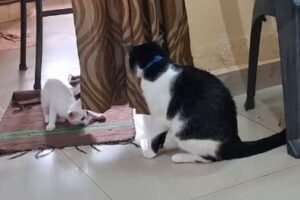
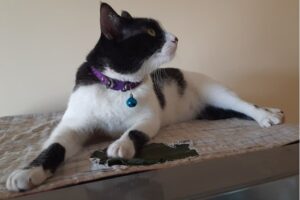
Most of us live in apartments, which can introduce indoor cat boredom that slowly creeps into your cat’s behaviour. A bored cat can scratch your furniture, zoom around the house at odd hours, and even meow constantly. Peeing outside the litter box is yet another behaviour you would generally notice.
We tend to term all this as bad behaviour, but the underlying reason is indoor cat boredom. Every cat has hunting, climbing, and exploring instincts. When a small apartment does not allow these things, the cat will begin showing behaviour that can be confusing for humans.
But you need not worry if you notice any signs of boredom in your indoor cat. There are several interactive toys that can help your cat stay happy even in a small apartment. In this blog, Dreamy Mammals aims to help cat owners address the issues and focus on providing the best possible relief to their cats.
Why Indoor Cats Get Bored in Small Homes?
In the wild, or even as outdoor pets, cats spend a big part of their day hunting, exploring, climbing, scent-marking and watching the world go by. An indoor cat in a compact home often has food in a bowl, one or two favourite sleeping spots, and a window to look out of.
But, despite that, the cat does not have an option to explore all these instincts in a positive way. The lack of variety is what makes the boredom creep in. It can even result in restlessness and sometimes stress. Our readers have already understood that many of the quirky habits that cats show are related to stress and anxiety.
15 Easy Interactive Toy Ideas for Indoor Cats in Small Homes
The best way to help your cat fight indoor cat boredom is to provide it with interactive toy options. We will analyse a few good cat enrichment ideas and interactive cat toys that you can incorporate in your home.
1Feather Wand “Hunting” Sessions
A simple feather wand or fishing‑rod toy is one of the most effective interactive cat toys you can own. You can simply wave the toy like a bird. Your cat can stalk, chase and pounce in short bursts.

The play can mimic real hunting and give your bored cat the satisfaction of the hunt. In fact, it should be one of the easiest ways to achieve indoor cat enrichment.
2Laser pointer games
This is yet another low-cost way to help your cat kill its boredom. However, let the beam fall on a real object or a toy at the end of every session. Otherwise, it can make the cat lose interest or even get frustrated.
Short sessions of five to ten minutes are usually enough for an indoor cat in a small apartment. Do not extend these sessions beyond the short periods. Otherwise, your cat will become even more annoyed and bored with the activity. Never shine the laser into your cat’s eyes.
3Motorised mouse
You can also consider using motorised or battery-operated mice. The toys move unpredictably, which should make the game more interesting for your cat. In fact, they can be an exciting indoor cat toy if you cannot take part in the game actively.
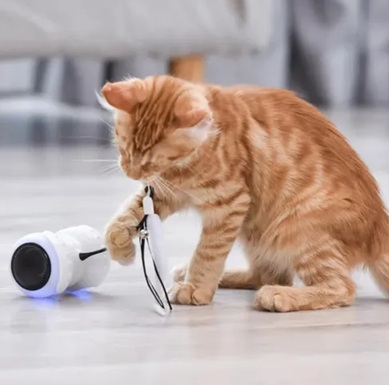
Your cat can chase, pounce, and stalk on their own, which is helpful if you work from home and need a distraction‑free hour.
4Track Ball Toys for Solo Play
Circular track toys with a ball trapped inside provide endless batting, chasing, and watching opportunities. These are perfect interactive cat toys for small spaces because they sit flat, and you can slide them under a coffee table when guests come over.
5Crinkle Tunnels for Hiding and Ambush
A collapsible crinkle tunnel gives your cat somewhere to hide, ambush toys or even retreat when they feel overwhelmed. Tunnels fit naturally into small apartment cat setups because they fold flat for storage while delivering big indoor cat enrichment value.
6String or Ribbon on a Wand
A simple ribbon or string attached to a wand can be more exciting to a cat than expensive gadgets. Drag it slowly along the floor, flick it around chair legs, and occasionally let your cat “win” and chew on it. Always supervise string play so it is safe, and put the string away when you finish.
7Window Perch with “Bird TV”
For many indoor cats, simply watching birds, people, and cars outside is a major enrichment source. A secure window perch combined with a view of trees, balconies, or even street life adds hours of silent entertainment. The positioning of the tail and other body language should help you understand the thought process of your cat! Make sure the window is secured with a sturdy screen or grille so your cat cannot fall.
8Slimline Cat Tree for Vertical Space
A tall but narrow cat tree gives your cat vertical territory without eating floor space. Climbing and perching high helps reduce indoor cat boredom and can reduce tension in multi‑pet homes by allowing cats to escape from dogs or children.
9Wall Shelves or Step Ledges
If your floor space is tiny, wall‑mounted shelves or step ledges can create a “cat highway” along your walls. This kind of vertical cat enrichment makes your home feel much bigger from your cat’s point of view, even if you live in a studio. Make sure the shelves are securely mounted and can hold your cat’s weight.
10Pop-Up Cubes and Hiding Boxes
Fabric pop‑up cubes and simple cardboard boxes are inexpensive but powerful indoor cat toys. Cats love to hide, peek out, pounce and even nap in these little dens. Check our post on why cats love cardboard boxes.
11Door-Hanging Spring Toys
Door‑mounted toys on springs bounce and wiggle whenever your cat bats at them, which keeps the game interesting longer. They are ideal for very small rooms where you cannot leave many toys on the floor.
12Tall Vertical Scratching Post
A sturdy, tall scratching post lets your cat stretch their whole body while scratching. This is not just about saving your sofa; scratching is an essential indoor cat enrichment behaviour that marks territory and helps relieve stress.
13Horizontal Scratching Boards
Some cats prefer to scratch horizontally, especially on cardboard or sisal mats. Placing a few small boards around your small apartment gives your cat options and encourages healthy scratching instead of damaging carpets.
14Snuffle Mat for Cats
Although often marketed for dogs, snuffle mats also work well as indoor cat toys. You can sprinkle kibble or treats among the fabric strips and let your cat “forage” with their nose and paws. This taps into natural searching and hunting behaviour.
15Paper Bag Surprise Game
A simple paper bag with a few treats or a small toy inside can keep a cat entertained for a surprising amount of time. The crinkling sound, the confined space and the mystery of what is inside all work together to fight indoor cat boredom in a tiny footprint. Cut off the handles first, and never use plastic bags.
Which Toy for Which Problem?
| Problem | Try this |
|---|---|
| Zoomies and extra energy | Feather wand, laser pointer (end with a real toy), string or ribbon on a wand |
| Home alone or busy | Motorised mouse, track ball toys, snuffle mat, door-hanging spring toys |
| Scratching furniture | Tall vertical scratching post and horizontal scratching boards |
| Tiny floor space | Slimline cat tree, wall shelves or step ledges, door-hanging toys |
| Stress, or needing to hide | Crinkle tunnel, pop-up cubes, cardboard boxes |
| Bored of the same view | Window perch with “Bird TV” |
A Simple Daily Enrichment Routine
Toy Safety Checklist
Keep playtime safe
- Supervise string and ribbon play, and put them away afterwards.
- Never shine a laser pointer into your cat’s eyes.
- Cut the handles off paper bags, and never use plastic bags.
- Secure windows with a sturdy screen or grille.
- Mount wall shelves securely so they can hold your cat’s weight.
Conclusion: Turning a Small Home into a Big World for Your Indoor Cat
Living in a small home or apartment does not have to mean a small life for your cat. With a little creativity and a handful of indoor cat enrichment ideas, you can turn every corner into a chance to climb, scratch, hunt, and explore. Short, focused play sessions with interactive cat toys, combined with window views, scratching posts, and puzzle feeders, give your indoor cat the kind of variety they naturally crave, even when you are busy or out at work.
Remember that some behaviours are rooted in deeper medical or emotional issues, so always pair indoor cat enrichment with good veterinary care. Check out other cat related articles on Dreamy Mammals that help you understand cat behaviour.
✓Indoor cats get bored when they cannot hunt, climb, scratch, and explore.
✓Aim for at least two short play sessions of ten to fifteen minutes a day.
✓Use vertical space, scratching posts, and window perches in a small apartment.
✓Mix play with you and solo toys, and rotate toys every few days.
✓Keep playtime safe, and see your vet if behaviour changes suddenly.
Frequently Asked Questions (FAQs)
Do indoor cats really get bored in a small apartment?
Yes, indoor cats can definitely get bored in a small apartment if they do not have enough mental and physical stimulation. Even though cats spend many hours sleeping, they still need opportunities to climb, scratch, explore and “hunt” toys to stay content and balanced.
What are the main signs that my indoor cat is bored?
Common signs of indoor cat boredom include excessive grooming, destructive scratching, overeating or undereating, sleeping more than usual, constant meowing for attention, and attacking ankles or hands during play.
How much playtime does an indoor cat really need every day?
Most behaviour experts recommend at least two short, focused play sessions of about ten to fifteen minutes each day for a healthy indoor cat. These sessions should use interactive cat toys like feather wands or treat balls that engage your cat’s hunting instincts.
What are the best toys for indoor cats in a small apartment?
Good options include feather wands, motorised mice, track ball toys, crinkle tunnels, window perches, slimline cat trees, wall shelves, door-hanging spring toys, scratching posts, snuffle mats, and even a simple paper bag. Many of them fold flat, hang on walls, or use vertical space.
Are laser pointers good for cats?
Laser pointer games are a low-cost way to fight boredom, but let the beam fall on a real object or toy at the end of every session. Otherwise, your cat can lose interest or get frustrated. Keep sessions to five to ten minutes.
How often should I rotate my cat’s toys?
Rotate toys every few days to keep your cat curious without constantly buying new products.
Why does my bored cat scratch the furniture?
Scratching is an essential behaviour that marks territory and helps relieve stress. A sturdy, tall scratching post and a few horizontal scratching boards around your apartment encourage healthy scratching instead of damaging furniture and carpets.
How can I give my cat more space in a tiny apartment?
Go vertical. A slimline cat tree, wall shelves or step ledges, and a window perch give your cat more territory without using floor space, and they make your home feel much bigger from your cat’s point of view.
🐱 Was this helpful? Share it with a fellow cat parent, or tell us in the comments which toy your cat loves most.
This article is for general information only and is not a substitute for professional veterinary advice. If your cat’s behaviour changes suddenly or seems extreme, please consult your vet.