
Dogs do a lot of things that we humans find both cute and quirky. take for instance, barking at nothing or even circling around themselves before lying down. Several of these habits are part of the instinctive behaviour of the dog. It can be dependent on genetics and life experiences.
It may be advisable to understand these habits. That way, you would be able to get a clear idea about what is going through your dog’s mind. It should help you strengthen your bond with your fur baby.
Why Dogs Do “Annoying” Things?
Most of these antiques are not bad habits. They are simply the normal dog behaviour. It is just that they do not go well with human expectations. Dogs typically repeat an action that is rewarded. They may also indulge in a few behaviours that help them cope with stress and boredom.
Understanding the “why” behind this action is important for managing the habit through training and environmental changes. Remember one thing – Never punish your dog for something it has done that you do not like.
We are already aware of the human habits that annoy dogs, but we will reverse this and find a few dog habits that you may find a bit annoying for humans.
8 Dog Habits that are Quirky
Well, here we go with the most common habits of dogs that you may find quirky and annoying to a certain extent.
Jumping on people
Jumping is a sign of social engagement and excitement for most of the dogs. When your dog jumps at your face, it is the dog’s way of saying hello. If you pet or squeal at the dog when it jumps on you, the dog thinks that the action is rewarded. That would lead to repeated similar actions.
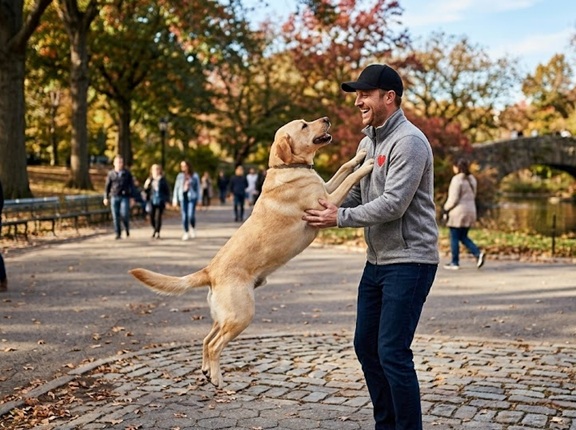
If you dont like it or your guests feel annoyed, you can do something like here below –
-
Teach an alternative: ask for a “sit” before greeting.
-
Turn away and ignore jumping; reward only when all four paws are on the floor.
-
Tell visitors the house rule so everyone responds consistently.
Barking at everything
Barking is a means of communication for your dog. It can be alerting about the strangers, sound, or fear. It can also be due to boredom, or just a demand for attention. Some breeds may be naturally vocal. If the barking results in the action that the dog wants, then it learns that the action works. This can lead to the repetition of incessant barking.

Here is what you can do –
-
Identify the trigger: noise, people outside, boredom, or loneliness.
-
Increase mental and physical exercise so your dog is calmer at home.
-
Use “quiet” training: let one or two barks, then reward when the dog stops on cue.
Circling before lying down
In the wild, the dogs used to circle to flatten the grass or ground, or even to detect any threats. The instinctive behaviour continues to exist even today. You can expect a few turns before your dog settles down.
However, you need to be aware of the following red flags –
-
Excessive circling, restlessness, or repeated getting up could mean pain (joint issues, discomfort) or anxiety.
-
If circling is paired with whining or limping, contact your vet.
Sniffing everything when on walks
The dogs “see” everything around the world through their nose. Sniffing hydrants, trees, and poles gives them information about other dogs, territory, and time. For them, a slow sniff-walk is mentally richer than a fast power-walk.

Here are a few things that you can do help your dog understand the world around it –
-
Build “sniff breaks” into walks instead of dragging them away from every smell.
-
Use a cue like “go sniff” vs “let’s go” so they learn when it’s time to move.
-
For busy days, a shorter but sniff-heavy walk can still tire them out mentally.
Following you everywhere
These dogs are typically called Velcro dogs. It is just an indication that your dog is quite bonded to you and loves having a proximity to you. Certain breeds and rescue dogs with past trauma are more prone to separation anxiety. This can lead to clingy behaviour.
A few things you can do to help control this behaviour include
-
Encourage independent play: toss chews in another room, reward calm alone time.
-
Avoid making a big drama out of arrivals and departures.
-
If your dog panics when left alone (destruction, drooling, howling), work on gradual separation training.
Licking Hands, Face, And Feet
The dogs lick your feet, face, and hands out of the bonding they share with you. The licking action releases the feel-good hormone in dogs. It may also be due to the taste of the skin, such as lotions, sweat, or food smell. it also indicates a submissive or friendly behaviour.

You can do the following if you feel it to be excessive –
-
Set boundaries. Gently remove your hand, and offer a toy instead if you dislike licking.
-
Watch for obsessive licking, which can signal anxiety or allergies if directed at their own body.
Want to learn more about that? Read Why Does My Dog Lick My Feet – Unveiling the Science Behind Feet licking in Dogs
Humping on people or objects
Many dog owners associate this behaviour with sexual tension. However, humping is not necessarily about sexual behaviour always. It can be an attention-seeking behaviour. If humans laugh or react strongly, the dog may feel highly rewarded. Some dogs may hump due to hormonal issues.
These are a few things you can do for this –
-
Calmly interrupt and redirect to a sit, chew toy, or training game.
-
Avoid yelling or laughing; both can reinforce the behavior.
-
If persistent, discuss with a trainer or vet, especially if tied to anxiety.
Eating grass
Some dogs may eat grass just because they like the taste or texture. They may also eat grass when their stomach feels off. Occasional eating pf grass is not something you need to be worried. It is completely normal. However, frantic or extreme grass eating may need medical intervention.

What you can do:
-
Ensure regular meals, good-quality food, and no long fasting gaps.
-
Avoid areas sprayed with pesticides or chemicals.
-
If your dog eats grass excessively or shows digestive issues, consult a vet.
Worried about your dog eating grass all of a sudden? Explore the reasons and solutions for 6 Common Reasons to Why is My Dog Eating Grass All of a Sudden
When Dog Habits Signal A Problem?
We have found that most of the habits are harmless. But that should not mean every habit that the dog indulges in is harmless. You may need to watch out for a few symptoms that may be risky –
- Sudden change in behavior (more aggression, hiding, restless pacing).
- Physical symptoms: limping, vomiting, diarrhea, excessive scratching, or weight loss.
- Self-harm patterns: constant licking of a spot, chewing tail, or biting paws.
In those cases, behavior may be your dog’s way of telling you something hurts or feels wrong. Start with a vet visit, then work with a trainer or behaviorist if needed.
Final Thoughts: Turn Dog Quirks Into Stronger Bonds
Understanding your dog’s habits transforms frustration into appreciation. What we call “annoying” behaviors are often your dog’s way of communicating needs, instincts, or joy. With consistent rewards for good habits, daily exercise, and a bit of patience, you’ll build a happier home where quirks become cherished parts of your bond.
Explore More: Check our full Dogs category for breed-specific tips and training guides. Subscribe for weekly pet insights delivered to your inbox.
FAQs
Are these behaviors normal for Indian mixed-breed or indie dogs?
Yes, most of these habits appear across breeds. Indies may be more alert and vocal because of their outdoor survival instincts.
When should I see a trainer versus a vet?
Start with a vet if you suspect pain or a sudden personality change. If your dog is healthy but behaviors persist, a positive-reinforcement trainer can help.
Can old dogs unlearn bad habits?
Absolutely. Older dogs may take longer to change patterns, but with patience and consistent rewards, they can learn new behaviors.
Is punishment ever necessary for bad habits?
Harsh punishment often increases fear and anxiety. Reward-based training and management are safer, more humane, and more effective long-term.



Add Comment