
Ever watched your cat squeeze into a tiny box, fold its paws like a loaf of bread, or stare at nothing? Well, these are not just simple quirks, and they are not random. They are actually instinctual behaviors rooted in your cat’s wild ancestry. They should offer you clues to their mood, health, and needs.
In this comprehensive guide, we’ll decode the top cat quirks from Dreamy Mammals’ popular posts, helping you understand (and bond with) your furry friend better.
Why Cats Love Cardboard Boxes?
You might have found the obsession of your cat with the cardboard boxes cute. But, it is much more than that. It talks about the survival instinct of your cat. If you imagine your home to be wild, a cardboard box resembles some hiding spot such as a cave or bush. They let the cat observe their prey (or even threats) without being seen.
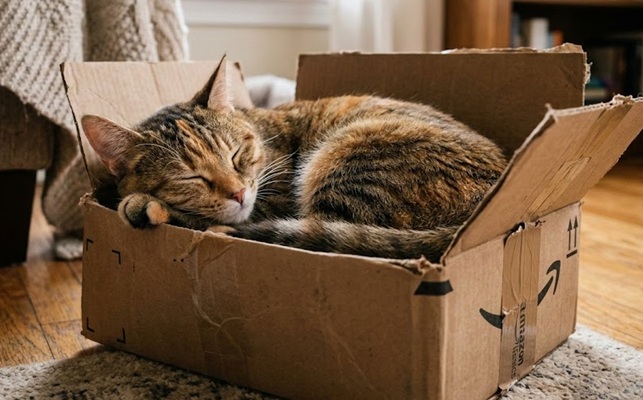
A Dutch study of shelter cats found that those with boxes were less stressed and more chill around humans. That should prove that the boxes reduce anxiety.
We already have the fun fact covered about why cats love cardboard boxes, but there is more to it. Boxes retain body heat – something perfect for conserving energy. It also triggers play-hunting by pouncing inside. They even outline shapes on floors to fool cats into “hiding.”
Pro Tip: Cut holes for spy windows or stack for tunnels—keeps them entertained cheaply.
Read Why Do Cats Love Cardboard Boxes? (Deep Dive) – for other quirky reasons.
The Cat Loaf: Paws Tucked Under
This one is my hot favourite. That adorable “loaf” position—paws hidden under chest, body rectangular like bread. The position signals the ultimate relaxation. Cats loaf when comfy and safe. Tucking paws conserves heat because their extremities lose it fast. It also keeps them spring-ready for quick escapes.
Variations include “sphinx loaf” (front paws out) or full “meatloaf” (head down). All ages do it, from kittens to seniors, but unhappy cats might loaf to self-soothe stress.
Fun Fact: It’s a light nap mode. The muscles are engaged but resting.
You can read more on that here – Why Does My Cat Fold Their Paws Under Them?
Why Can a Cat’s Tail Fall Off?
After those two quirky behaviours, this one is about a concerning fact.
Tail loss sounds dramatic, but it’s often trauma-related. Slams in doors, car hits, or fights cause fractures/avulsions where nerves die, leading to “fall off” (or amputation). Other reasons can include infections and related abscesses from bites, frostbite, or overgrooming due to stress/fleas.
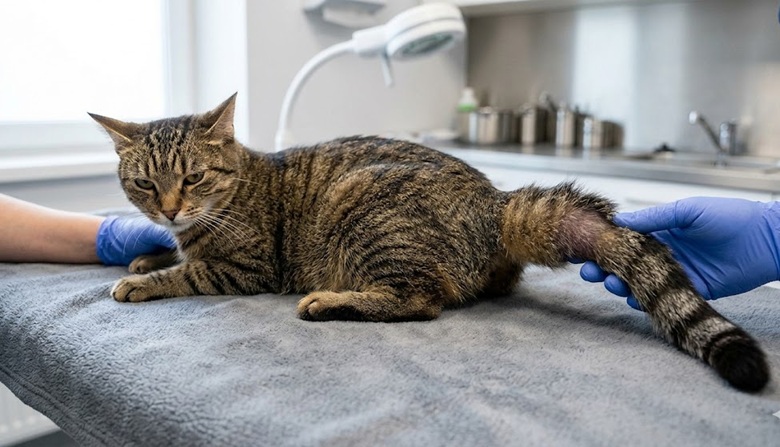
Some of the possible reasons include
| Cause | Symptoms | Prevention |
|---|---|---|
| Trauma | Swelling, dragging tail | Indoor-only, cat-proof home |
| Infection | Pus, hair loss | Clean wounds fast, flea control |
| Stress Grooming | Chewing, bald spots | Enrichment toys, vet check |
For detailed cases and vet advice, read Why Can a Cat’s Tail Fall Off?
Are Male Cats More Affectionate?
Not always. Typically, the affection varies by personality, neuter status, and upbringing. But neutered males often seem to be cuddlier due to lower roaming/testosterone. Females can be equally loving post-spay, especially lap cats. Quirks like head-butting or rubbing mark you as “family.”
Gender Nuances:
-
Males: Bigger, more vocal, playful chasers.
-
Females: Vocal during heat (if unspayed), maternal groomers.
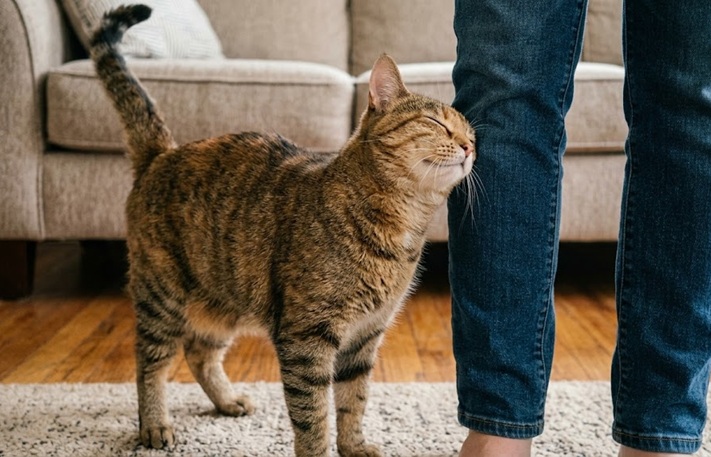
Want to know more about the gneder related behaviour breakdown? Check out Are Male Cats More Affectionate Than Females?
Other Common Quirks
-
Chattering at Birds: Frustrated hunting mimic. Teeth click is a sign of preparing the “kill bite.”
-
Pulling Out Genitals: It is part of normal grooming, but did you find it excessive? You may need to check for allergies/UTIs.
-
Gifts (Dead Prey): Your cat is ju sharing the hunt with you, because you are a part of its family. If you find your cat doing it, praise, don’t punish!
When to Worry: Health Red Flags
Most quirks are fine, but watch for sudden changes. These can include lethargy with loafing, which indicates pain, tail dragging, which can show when the cat has nerve damage, or aggression due to stress/illness. Consult your vet if you notice wounds, weight loss, or litter avoidance.
Pro Tip – Try calming toys like Catit Box Tunnel for anxious loafers or Feliway Diffusers for stress grooming.
FAQs
Why does my cat loaf but seem tense?
It could be due to mild stress. You can add more hiding spots or playtime. If you find the ears are tugged back, you may need to check for the health issues.
Is tail falling off painful?
Yes, it can be painful initially. However, the nerve damage numbs later. You may need to go for an amputation if the issue is severe.
Do all cats love boxes?
Most of the cats love boxes. But confident ones may skip them. They may play for a while and lose interest. If your cat is stressed, it may crave th
Male vs. female affection—does breed matte
Yes, some cat breeds are more clingy. For instance, Ragdolls are cuddlier regardless of gender.


Add Comment