Living in a city like Mumbai or New York can be quite difficult in an apartment. The apartments come with spaces that are available at a premium. Many homeowners want a pet that does not demand much space or attention.
Hamsters are an excellent option in this context. They are incredibly affordable, quiet enough for thin apartment walls, independent by nature, and ideal for children or first-time pet parents. They do not require consistent attention like guinea pigs, or accurate water chemistry, as in the case of fish.
But which breed of hamster should you choose? We will analyse this in detail in this post. We will also check out the complete care guide for hamsters.
Why Hamsters Make Perfect First Pets for Indian Apartments?
Hamsters stand out among small pets for apartments because they genuinely don’t need much from their owners. Simply provide them with fresh food, clean bedding, and occasional handling. They are nocturnal animals, and that means they will be sleeping when you are at work or school during the day.

No barking, no meowing for attention, and certainly no daily walks required. That should make them an excellent choice for noise-sensitive high-rises.
That apart, they are highly affordable. A complete starter setup, including the cage, wheel, food, and hamster runs, costs just ₹4,000-6,000 upfront. The monthly costs will be under ₹300 for bedding and pellets. Whether you are a family or living alone, they would suit every lifestyle. Parents find them an excellent choice for teaching empathy to their children. For singles, they should be the right choice because they do not need much attention.
In fact, they are also completely legal, and you can get your favourite hamster variety from the local pet stores.
Top 5 Hamster Breeds Perfect for Beginners
Not every type of hamster suits every apartment. That is why you should choose the right breed of hamster that suits your specific needs.
| Breed | Adult size | Price (India) | Living | Best for |
|---|---|---|---|---|
| Golden Syrian | 5-7 inches | ₹800-1,500 | Solo only | First-time owners and kids |
| Roborovski dwarf | About 2 inches | ₹1,000-2,000 | Solo, or same-sex pairs with care | Watching rather than handling |
| Campbell’s dwarf | 3-4 inches | ₹800-1,500 | Same-sex pairs (2 max per cage) | Intimate interaction, multi-level cages |
| Winter White dwarf | 3-4 inches | ₹800-1,500 | Solo | Gentle family pet |
| Chinese hamster | About 4 inches | ₹1,000-2,000 | Solo | Climbing and tunnels, tall cages |
1Golden Syrian Hamster (The Classic Choice)
Price: $15 to $25 (Rs 800 to Rs 1500 in India)
If you are a beginner, the Golden Syrian Hamster is an excellent pick. At the largest, it grows to 5-7 inches. It has a very docile personality and lives strictly solo, so you need not worry about fighting. Its golden-brown coat with a white belly gives a teddy bear look that kids adore.

This breed does not need cagemates and needs just a spacious wheel and deep bedding for burrowing.
2Roborovski Dwarf Hamster (The Speedy Showstopper)
Price: $20 to $30 (Rs 1000 to 2000 in India)
Do you want the tiniest small pet for apartments? Roborovski dwarfs measure just 2 inches but pack incredible energy. You will find them darting like lightning on their wheel at night. These sandy-furred speedsters thrive solo or in same-sex pairs, but watch for fighting. Their “husky markings” around their eyes make them adorable Instagram stars. They are very fast and skittish, so they are more fun to watch than to handle.
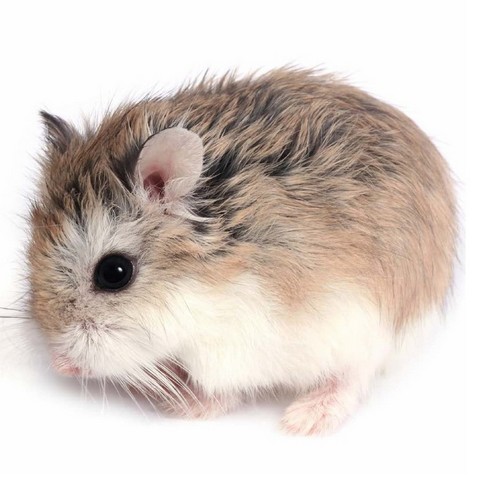
You would love their marathon running – some reach 5 to 8 km at night.
3Campbell’s Dwarf Hamster (Friendly & Compact)
Price: $15 to $25 (Rs 800 to Rs 1500 in India)
Campbell’s dwarfs offer the best balance of sociability and size at 3-4 inches. They have grey-brown fur and a sweet disposition that tolerates occasional handling. These hamsters can sometimes live in small same-sex pairs (2 max per cage), but watch for fighting. Their “dirty face” markings distinguish them from Winter Whites, and they excel in apartments with multi-level cages for climbing.

They can be a good choice if you are looking for more intimate interaction.
4Winter White Dwarf Hamster (The Color-Changer)
Price: $15 to $25 (Rs 800 to Rs 1500 in India)
The Winter White dwarfs glow with silvery-blue fur and reach 3-4 inches. They love living solo and are known to be mild-mannered. These hamsters love dust baths, and they can be the right choice for a family with little children. Their fur can turn white in winter, but that depends on cold temperatures and short days, so it may not happen in a warm apartment.
They have been known to be a favorite among kids due to their predictable temperament and visual appeal.
5Chinese Hamster (The Sleek Climber)
Price: $20 to $30 (Rs 1000 to 2000 in India)
These hamsters are quite rare, but one of the trending breeds. Chinese hamsters stretch 4 inches with sleek grey-brown fur and long tails. They love vertical tunnels and ladders over wheels. If you are an adventurous owner, you would find them the perfect choice for your needs. Their rarity adds excitement without exotic legalities.
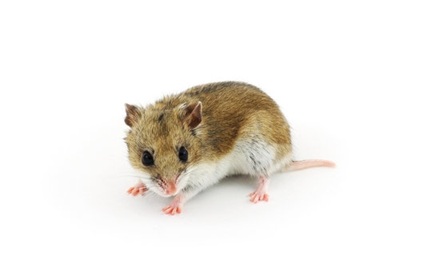
They are a perfect choice for urban flats wanting something unique beyond goldens.
Essential Hamster Cage Setup for Small Apartments
A proper hamster cage for apartments transforms a corner shelf into a thriving habitat. You should look for at least 450 sq. in. of floor space. Indian humidity demands good airflow, so opt for mesh tops with secure latches to keep curious cats or kids out. Check the bar spacing too, so smaller dwarfs cannot squeeze through.
You can begin with 6-8 inches of deep aspen shavings or paper bedding. Never use pine or cedar, as they can cause respiratory issues for your hamsters. Add an 8-12 inch wheel (silent plastic for apartments), a 6×6 inch hide house, chew toys (wood blocks), a shallow dust bath for dwarfs, and a water bottle over bowls to prevent spills.
The table below should give you a better idea of the cage setup for your hamsters –
| Cage Essential | Why It Matters | Approx Cost (₹) | Apartment Tip |
|---|---|---|---|
| 450+ sq in cage/bin | Floor space for burrowing/wheel | 1,500-3,000 | Fits study table |
| 6-8″ aspen/paper bedding | Odor control, foot safety | 200/month | Spot clean daily |
| 8-12″ silent wheel | 5-8km nightly exercise | 500-1,000 | No squeaks through walls |
| 6×6″ wooden house | Stress-free sleeping | 300 | Must-have hideout |
| Wood chews/ladders | Teeth health + enrichment | 150 | Prevents bar chewing |
| Drip water bottle | Clean, spill-proof | 200 | No messy bowls |
Perfect Hamster Diet Using Indian Staples
Check out the table below for the food that is safe or unsafe for your hamsters –
| Safe Foods | Portion | Unsafe Foods |
|---|---|---|
| Lab pellets/blocks | Unlimited daily | Citrus, onion, garlic |
| Cucumber, greens | 1 tsp daily | Chocolate, dairy products |
| Carrot tops, broccoli | 2x/week small piece | Raw potato, tomato leaves |
| Pumpkin/sunflower seeds | Treat 1x/week | Avocado, almonds, apple seeds |
Provide fresh water daily. Change the mix of seeds every week. That should help you avoid obesity in hamsters.
Your First Week With a New Hamster
Daily and Weekly Care Routine
Health Warnings & Common Problems to Watch
Well, some possible health issues that your hamster may come across include –
Common hamster health problems
- Wet tail: A wet, soiled tail area with diarrhea. If you also notice lethargy, see your vet immediately, as it can get serious quickly.
- Overgrown teeth – Provide consistent chewing options.
- Scent gland infection – Visit your vet immediately.
Poor bedding can cause respiratory issues in humid climates. High temperatures above 26 degrees can cause heatstroke. Keep the cage out of direct sun, use a fan or AC, and consider placing a frozen water bottle wrapped in cloth next to the cage.
Conclusion
Hamsters deliver an unmatched joy-to-effort ratio for small pets in Indian apartments. The choices of different breeds above should help you choose the right one that seamlessly fits into study tables, balcony corners, or kids’ rooms. Begin with the right cage setup and plan for the right diet.
Stay tuned for more articles on small pets and their care guide.
✓The Golden Syrian is the easiest breed for beginners and kids. It is docile and lives solo.
✓Hamsters are affordable: about ₹4,000-6,000 to set up and under ₹300 a month.
✓Choose a cage with at least 450 sq in of floor space, 6-8 inches of aspen or paper bedding, and a silent wheel.
✓Feed 80% pellets, 15% veggies, and 5% seeds, and avoid sweets.
✓Watch for wet tail and heat. Keep temperatures below 26 degrees, and see your vet quickly for health problems.
FAQs
Are hamsters noisy enough to disturb apartment neighbors?
Mostly just wheel sounds at night (buy silent 8-12″ models for ₹500+). Occasional bedding rustling stays inaudible through the walls. They are far quieter than birds or guinea pigs.
Can hamsters live safely with cats in the home?
Never keep them together unsupervised. Use an elevated cage with a secure lid if you have cats in your apartment. Never let them roam near cats. Hamsters’ scent attracts predators.
What’s the best age to buy a hamster in India?
6-8 weeks is the best age for a hamster. Make sure that you buy from reputable breeders. Check for signs like clear eyes, a steady gait, and a clean rear.
Do hamsters smell bad in small apartments?
Hamsters have a minimal odor with daily spot-cleaning and proper aspen bedding. Regular full bedding changes every couple of weeks can keep cages fresh.
Which hamster breed is best for young children?
Golden Syrian is the largest, most docile, and easiest to handle safely. However, it is important to supervise all breeds with kids under 8.
Which hamster breed is best for beginners?
The Golden Syrian is an excellent pick for beginners. It grows to 5-7 inches, has a very docile personality, and lives solo, so you need not worry about fighting.
How much does it cost to keep a hamster in India?
A complete starter setup, including the cage, wheel, food, and hamster runs, costs about ₹4,000-6,000 upfront. Monthly costs are under ₹300 for bedding and pellets. The hamster itself costs about ₹800-2,000 depending on the breed.
How long do hamsters live?
Hamsters usually live for 2-3 years, which makes them a gentle introduction to pet care for kids.
What size cage does a hamster need?
Look for at least 450 sq in of floor space (about 60×30 cm), with 6-8 inches of aspen or paper bedding for burrowing. Avoid pine and cedar bedding, which can cause respiratory issues.
What should I feed my hamster?
About 80% lab blocks or pellets, 15% veggies such as cucumber and greens, and 5% seeds as a weekly treat. Avoid sweets and sugary fruits because of the diabetes risk, and provide fresh water daily through a bottle.
Are hamsters nocturnal?
Yes. Hamsters are nocturnal animals, so they sleep when you are at work or school during the day and are active in the evenings when you are home.
Can hamsters live together?
Syrian hamsters must live alone. Some dwarf breeds, such as Campbell’s and Roborovski, can sometimes live in same-sex pairs, but watch for fighting and be ready to separate them. Chinese and Winter White hamsters are best kept solo.
🐹 Was this helpful? Share it with a friend who wants a first pet, or tell us in the comments which hamster you chose.
This article is for general information only and is not a substitute for professional veterinary advice. Prices are approximate and vary by city and seller. If you are worried about your hamster’s health, please consult a vet who treats small animals.