
Are you a busy parent or professional who also has an interest in aquariums? Adding a few easy, low-maintenance aquarium plants can transform your tank into a lush, natural habitat for your fish. In fact, these plants would help you handle the tank without much care. These best beginner aquarium plants thrive in low light, don’t require CO2 injection, special fertilizers, or constant trimming.
In essence, these plants help you keep a low-maintenance planted tank that fits your schedule. They oxygenate water, absorb nitrates from fish waste, provide hiding spots for shrimp or fry, and boost your tank’s beauty while keeping algae at bay.
Why Choose Low-Maintenance Plants for Your Busy Lifestyle?
Low light aquarium plants work well with the typical LED hood lights (20-50 PAR) and standard gravel or sand substrates without fuss. Busy owners love them because they grow slowly (1-2 inches/month), reducing pruning to once every 2-3 months.
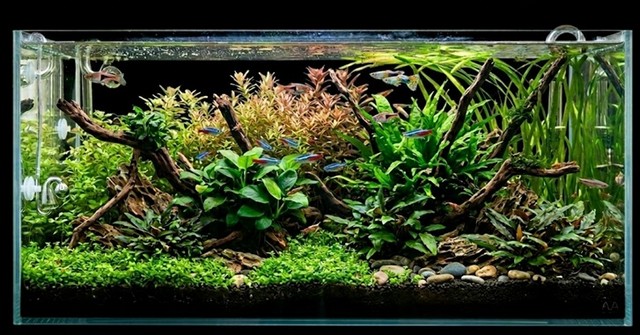
These plants come with several benefits –
-
Cleaner water: They naturally filter nitrates and ammonia spikes.
-
Stress-free fish: They suit the shy species, like tetras or bettas, that hide in leaves.
-
Low cost: You can buy them for $5-15 per plant, and they last for years.
-
Eco-boost: These plants mimic natural rivers, improving fish health and colors.
Top 7 Easy Low-Maintenance Aquarium Plants
Let us now check a few low-cost and low-maintenance aquarium plants that best suit beginners.
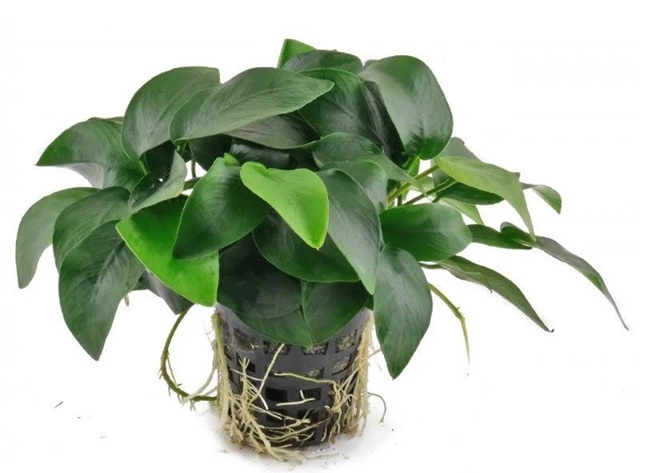
Anubias (Anubias barteri or Nana)
Anubias have been ranked as the top choice for the best low-light aquarium plants. They come with dark green and thick leaves that resist algae and melting. You can simply attach them to the driftwood or rocks, and they will grow easily without much maintenance required. Never bury them in the gravel as that can result in root rot.
-
Care: Low light, 72-82°F, pH 6-7.5. No fertilizer needed. They grow about 1 to 3 inches tall
-
For Busy Owners: Trim dead leaves quarterly; pairs with bettas or shrimp.
Java Fern (Microsorum pteropus)
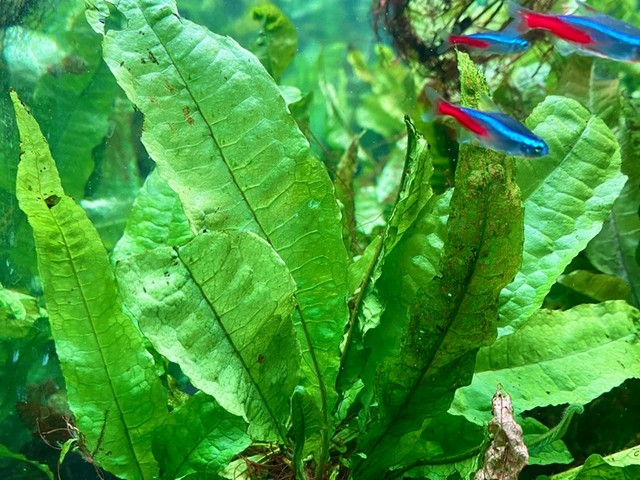
Java Fern has been a staple low-light aquarium plant for beginners. The wavy green folds give a great appearance. This plant can grow to up to 6 to 12 inches tall. You can tie them using fishing lines to keep them in one place. If you want to propagate them, you can use the baby sprouts from the edges.
-
Care: Low-medium light, 70-82°F. Root tabs are optional every 3 months.
-
For Busy Owners: Bulletproof—survives blackouts for an extended time. They can be a great midground cover.
Cryptocoryne Wendtii (Green or Red Varieties)
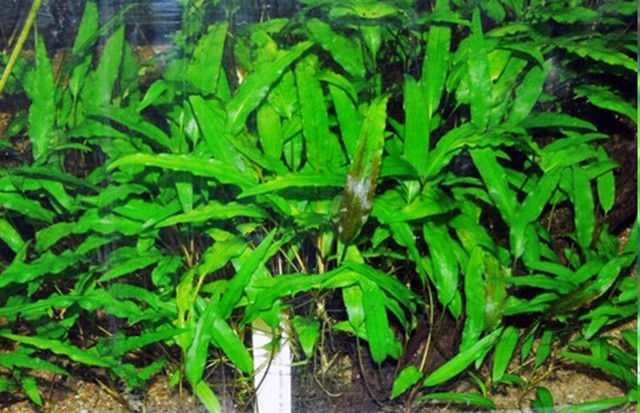
Crypt Wendtii offers rosette leaves in green/red, perfect, easy, low-maintenance aquarium plants for foreground/midground. Plant roots in substrate. You can expect an initial “melt” then a rebound.
-
Care: Low light, 72-82°F, root feed. You can add tabs if gravel is inert.
-
For Busy Owners: Slow growth means they offer a hands-off approach. It can be helpful in hiding snail eggs.
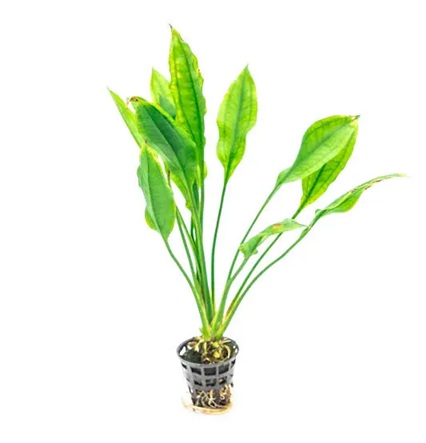
Amazon Sword (Echinodorus amazonicus)
Broad, sword-like leaves create jungle vibes as a best beginner aquarium plant for backgrounds (12-20 inches). Thrives in most setups.
-
Care: Medium light, 72-82°F, heavy root feeder. You can use monthly tabs.
-
For Busy Owners: Fills space fast initially, then stabilizes. It can also help oxygenate the tank really well.
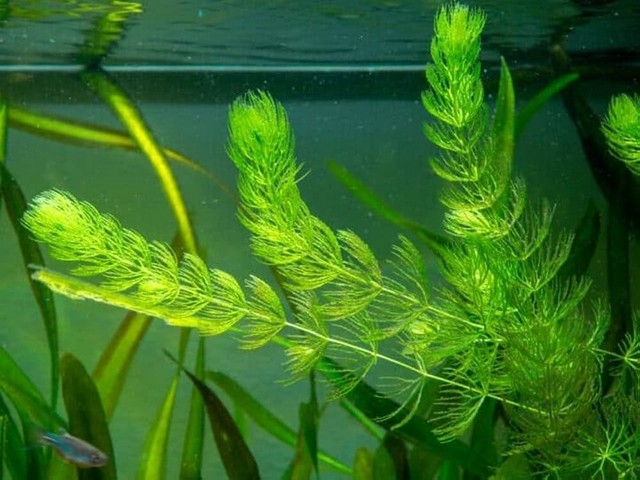
Hornwort (Ceratophyllum demersum)
It can be considered to be a feathery floater or planter. Hornwort works as a nitrate sponge for crystal-clear water in low-maintenance planted tank plants.
-
Care: It can work in any light. It can float free in water. You will need to trim excess monthly.
-
For Busy Owners: Can be an excellent shelter for fry/shrimp. They need no planting hassle
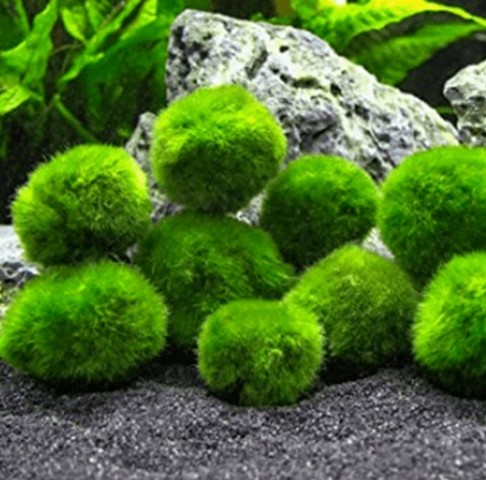
Marimo Moss Ball (Cladophora aegagropila)
It is not a true plant but an algae ball. You can roll them weekly during water changes for easy, low-maintenance aquarium plants fun.
-
Care: Low-light, cool-temperature requirements/ You will need to quarantine to prevent algae spread.
-
For Busy Owners: Zero effort beyond rolling. In fact, they can work best as a conversation starter.
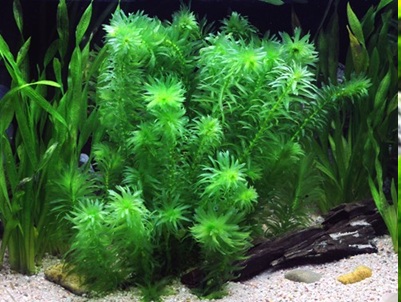
Anacharis/Elodea (Egeria densa)
This versatile stem plant can be planted in the substrate or left to float. It is famous for its ability to suck up excess nutrients and prevent algae blooms.
-
Care: Simply trim the tops when they get too long and replant them to create a forest.
-
For Busy Owners: Fast nitrate control; replant tops as it grows.
Quick Reference Comparison Table
Yes, definitely. Plain gravel or sand works perfectly for low-maintenance planted tank plants
How do I stop algae from growing on my plant leaves?
Algae usually grows on slow-growing leaves (like Anubias) if the light is too bright or left on too long. If you see green spots, reduce your “lights-on” time by 1 hour and consider adding a “cleanup crew” such as Nerite snails or Amano shrimp.


Add Comment