
If you are a dog owner, you might have experienced episodes of dog anxiety at least once. It can be triggered by environmental changes, separation from their owner, or unknown sources. If left unaddressed, it can severely affect the quality of your dog’s life.
This guide explores the warning signs of canine stress, evidence-based natural remedies, specialized interventions for separation anxiety, and actionable strategies that can transform your anxious dog’s emotional well-being.
Stress in Dogs – An Overview
Before we can move into the symptoms of anxiety in dogs, we will first understand how stress and anxiety differ from one another. We tend to believe that both stress and anxiety are the same. But the two differ considerably.
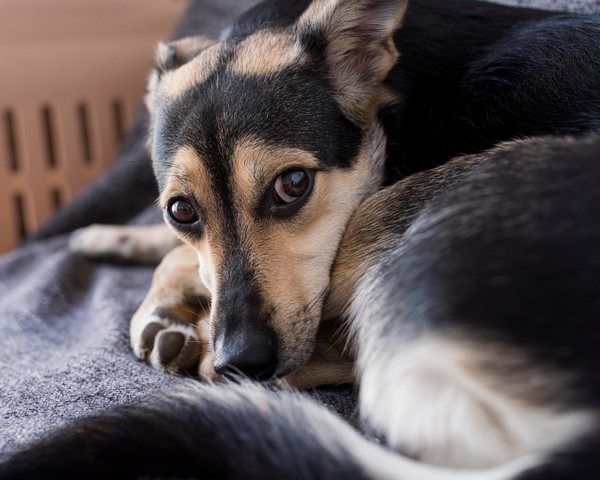
Stress is a physiological and behavioral response to an immediate threat or challenging situation. When the stressor is removed, the stress typically subsides. In contrast, anxiety is the anticipation of future dangers, resulting in bodily reactions even when no immediate threat exists.
Signs of stress in Dogs
The stress can be what can further develop into severe anxiety symptoms. Timely intervention and addressing stress can help avoid anxiety episodes.
Subtle signs of stress in dogs
Here are a few subtle signs that may need immediate attention.
| Subtle Sign | What It Indicates | Context |
|---|---|---|
| Prolonged yawning | Stress-induced, not sleepiness | Differs from tired yawns; more intense and frequent |
| Panting | Anxiety response, not overheating | Occurs indoors or in cool settings without exercise |
| Lip licking | Apprehension or discomfort | Repeated, rapid licking even when the mouth is dry |
| Dilated pupils | Heightened alertness or fear | “Whale eye” – visible whites of eyes showing |
| Ears pinned back | Submission or fear | Ears folded against the head, pulled down |
| Drooling | Nervous system activation | Excessive, unexpected salivation |
| Displacement behaviors | Nervous habits | Air-sniffing, “shake it off” motion, scratching the collar area |
| Pacing or fidgeting | Restlessness | Walking back and forth repeatedly |
If you fail to notice these subtle signs, they can further lead to obvious signs.
Obvious signs of stress in dogs
-
Loss of appetite – Refuses treats or regular meals
-
Tail tucking – Tail between legs or held low with short, tight movements
-
Cowering or crouching – Body lowered, attempting to make oneself smaller
-
Trembling or shivering – Involuntary muscle contractions (not from cold)
-
Excessive barking or whining – Prolonged vocalizations or high-pitched sounds
-
Avoidance behaviors – Hiding, backing away, refusing to engage
-
Diarrhea or house soiling – Gastrointestinal upset or loss of house training control
-
Destructive behavior – Chewing furniture, doors, or attempting escape
-
Aggression – Growling, snapping, biting, or lunging
You may also notice a few physiological changes that only a vet can identify.
-
Elevated heart rate (tachycardia) and rapid breathing (tachypnea)
-
Increased salivation or excessive drooling
-
Changes in body posture – Stiffening, rigid stance, or collapsed posture
-
Piloerection – Fur standing on end, creating a “hackle” appearance
-
Sudden eliminations – Urination or defecation due to loss of sphincter control
When a dog perceives a threat (real or imagined), their sympathetic nervous system triggers a “fight-flight-freeze” response. This triggers the release of cortisol (a stress hormone) and adrenaline, leading to the physical and behavioral changes listed above. This response is involuntary and not something the dog can consciously control.
Separation Anxiety in Dogs – A Specialised Canine Stress Symptom
Separation anxiety stands as the most common specific anxiety disorder in companion dogs. Yet, many owners mistake it for poor behavior rather than recognizing it as a genuine mental health condition.

What is Separation Anxiety?
Obviously, Separation Anxiety refers to a situation where your dog comes under severe stress when left alone and separated from the owner. Unlike normal sadness at departure, separation anxiety creates such intense fear that dogs engage in destructive, dangerous, or self-injurious behaviors.
Some common reasons that can make your dog more prone to separation anxiety include
-
Sex: Male dogs show a higher predisposition
-
Adoption history: Shelter dogs and found dogs are at elevated risk
-
Early weaning: Dogs separated from littermates before 60 days show an increased risk
-
Lack of early socialization: Critical period between 5-10 months; dogs without diverse experiences during this window are more vulnerable
-
Unstable routines: Inconsistent schedules increase anxiety
-
Excessive owner dependence: Dogs who follow owners room-to-room and have never learned independence struggle more
-
Punishment-based training: Fear-based methods increase anxiety levels
-
Unpredictable absences: Irregular departure patterns create hypervigilance
Behavioural signs of separation anxiety
When your dog is experiencing separation anxiety, it will show specific behavioral changes.
-
Destructive behavior, specifically when alone (chewing doors, crates, windows)
-
Excessive vocalization (barking, howling, whining) during absence
-
House soiling or urine marking despite being housetrained
-
Pacing and restlessness before the owner departs
-
Attempts to escape or follow the owner to the door/car
-
Self-injurious behavior (breaking teeth, lacerating paws, attempting escape)
-
Refusing to eat or showing loss of appetite when alone
-
Extreme distress signals whenthe owner prepares to leave (panting, drooling, pacing)
- Mild separation anxiety involves whining and moderate pacing.
- Moderate anxiety includes destructive behavior and house soiling.
- Severe separation anxiety can result in injuries from escape attempts, causing both emotional and physical harm.
Natural Remedies for Dog Anxiety
Well, if you notice any signs of anxiety in your dog, it is advisable to try natural remedies first. Of course, there is an expansive market of products that claim to cure separation anxiety. However, the following natural remedies have been proven to offer advanced benefits and have been used historically.
CBD Oil and Hemp Products
CBD interacts with the endocannabinoid system, which helps regulate serotonin production. Multiple studies show positive results for anxiety management, alongside applications for pain, seizures, and other conditions.
However, it is essential to consult your vet before you introduce CBD. The dosage depends on multiple factors like weight, age and health conditions of your dog.
L-Theanine
It is an amino acid derived from the tea plant. The remedy has achieved substantial veterinary attention for anxiety management. L-theanine modulates GABA, serotonin, and dopamine while inhibiting glutamate (the brain’s main excitatory neurotransmitter). This combination promotes relaxation without sedation.
L-theanine is generally safe when given at appropriate doses. Excessive amounts may cause over-sedation or lethargy. Always follow veterinary guidance.
Valerian Root
Valerian root is one of the most widely recognized herbal sedatives, trusted for centuries in human and veterinary medicine. It is considered safe and helps calm your furry friend’s nervous system. It is the right choice if your dog displays a high degree of excitement.
However, the Valerian Root can take a few weeks to show effect. Scullcap & Valerian tablets is commonly used as a combination therapy for stress and anxiety in dogs.
Chamomile
Chamomile is an excellent sedative and antispasmodic. That should make it a good choice for anxious dogs. Chamomile encourages the body to relax while reducing stress symptoms. Its antispasmodic properties specifically help dogs who experience vomiting or diarrhea triggered by anxiety.
It is typically beneficial for dogs experiencing car anxiety or motion sickness, where stress and digestive upset coincide. It is available as a hydrosol (water-based), essential oil (used in diffusers or sprays), or as part of herbal blends.
Probiotics
Probiotics are generally used for treating gut issues. But it is also used for controlling anxiety symptoms in dogs. In fact, the theory behind its use lies in the well-known “gut -brain axis”.
Dogs with anxiety often experience digestive upset. Probiotics that support healthy gut flora may indirectly benefit anxiety by improving overall health and immune function.
Behavioural Training – The Best Remedy
The natural remedies that we have cited above help ease the symptoms of dog anxiety. But behavioural training for your dogs can help you achieve lasting change.
Here are a few steps that can help you –
-
Identify the trigger (strangers, car rides, being alone)
-
Find your dog’s comfort threshold
-
Arrange controlled exposures below the anxiety level
-
Gradually increase intensity
-
Move at your dog’s pace—never force progression
Exercise & Environmental Enrichment
Exercise triggers endorphin release, decreases cortisol, and increases serotonin. This is nature’s anxiety solution. In fact, physical activity has been regarded as nature’s best anxiety reliever.
Here are a few recommendations to help your dog reduce anxiety symptoms –
-
Minimum 1-2 walks daily (total ~1 hour)
-
High-energy breeds may need 2+ hours
-
Consistency matters more than intensity
-
Balance with adequate rest
Medical Considerations: When to See Your Veterinarian?
While natural remedies and behavioral training are valuable, some situations require professional veterinary evaluation.
Consult your veterinarian if:
-
Anxiety symptoms significantly impact quality of life
-
House soiling occurs despite previous house training
-
Destructive behavior is severe or self-injurious
-
Aggression or reactivity is present
-
Behavioral interventions alone aren’t producing improvement
-
Anxiety appeared suddenly (rule out underlying medical conditions)
-
You’re considering any supplements or medications
Conclusion
Dog anxiety is a huge concern in dogs. If you want to treat it, several methods are available. It includes identifying and addressing medical causes, implementing behavioral modification through desensitization and counterconditioning, providing regular physical exercise, offering environmental enrichment, and utilizing natural remedies or FDA-approved medications.
Your anxious dog’s quality of life—and your own—improves dramatically when stress is properly addressed. The investment in understanding, training, and supporting your dog’s mental health strengthens the human-animal bond while creating a calmer, more confident companion.



Add Comment